
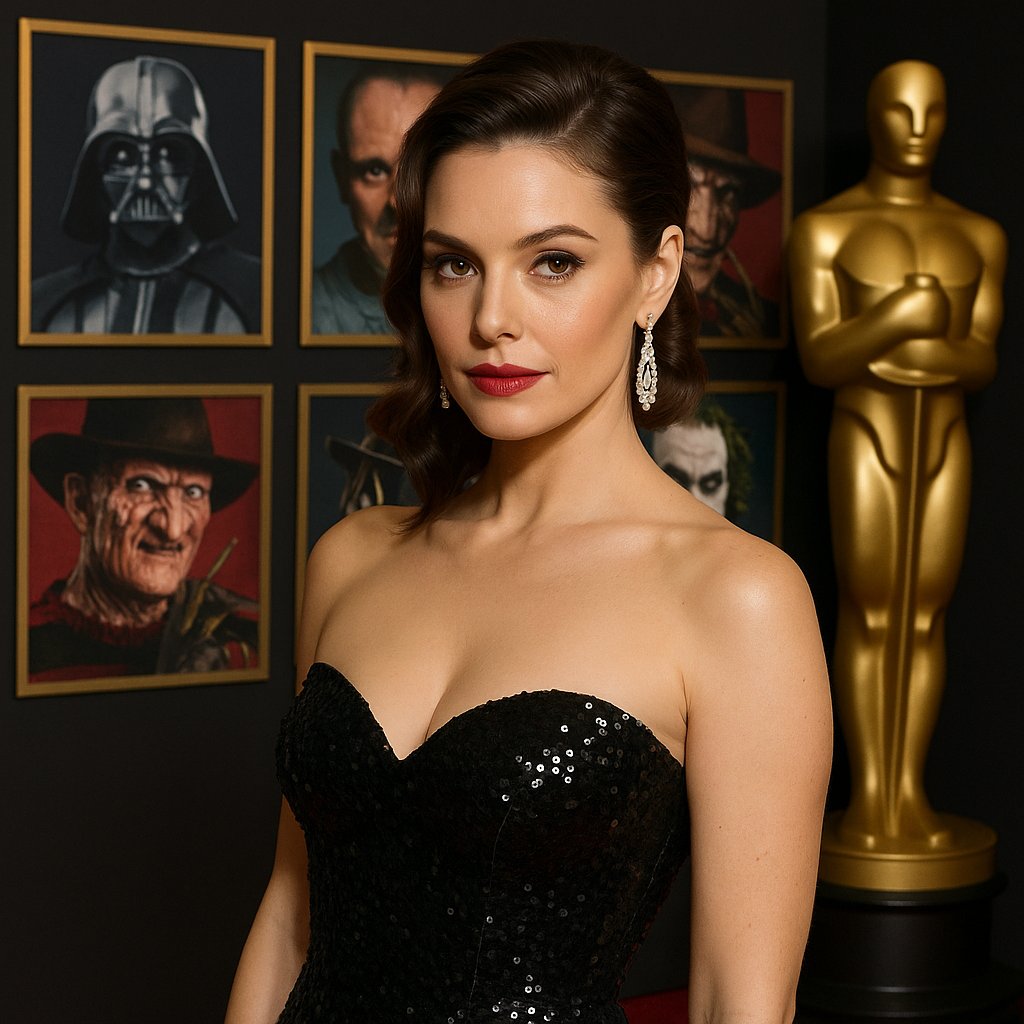
Covering Hollywood for over a decade, you learn quickly that the villains often eclipse the heroes in ways that reshape entire franchises, red carpet conversations, and even the power plays behind studio greenlights. In the realm of Hollywood entertainment and pop culture, the top 10 most iconic movie villains have shaped storytelling for decades, captivating audiences with their complex motivations, memorable lines, and unforgettable performances that continue to spark celebrity gossip and fan debates worldwide.
This is a story Black entertainment journalists have watched unfold for years, where these antagonists don’t just menace protagonists but mirror the cutthroat dynamics of industry gatekeepers who decide whose stories get told and whose get sidelined.
Iconic movie villains transcend simple antagonism; they embody deep psychological layers, cultural relevance, and performances that earn Oscar buzz or lasting memes. In Hollywood, these characters often steal scenes from heroes, influencing everything from fashion trends to music soundtracks. Their appeal lies in relatability mixed with menace, turning them into pop culture staples discussed in celebrity interviews and online forums for years after release. Black excellence shows up here too, from voice work that elevates entire sagas to the way these figures get reinterpreted in our communities’ own storytelling traditions.
Compiling the top 10 most iconic movie villains involves weighing impact across generations, box office influence, and how they redefined genres in Hollywood entertainment. From sci-fi epics to psychological thrillers, these figures dominate conversations in music crossovers and fan conventions alike.
At number 10 sits Cruella de Vil from 101 Dalmatians. Cruella de Vil, brought to life by Glenn Close in the live-action remake, represents pure vanity and cruelty in Disney lore. Her obsession with fur coats made her a fashion villain icon, often referenced in celebrity style critiques and pop culture parodies that blend Hollywood glamour with dark humor.
Number 9 brings us Nurse Ratched from One Flew Over the Cuckoo’s Nest. Louise Fletcher’s chilling portrayal of Nurse Ratched exposed institutional abuse, earning her an Oscar while sparking discussions on mental health in entertainment media. This villain’s quiet authority remains a benchmark for subtle terror in Hollywood dramas.
Freddy Krueger from A Nightmare on Elm Street lands at 8. Robert Englund’s dream-stalking killer with a burned face and razor glove became a horror staple, blending nightmares with witty one-liners that influenced countless music videos and Halloween costumes in pop culture.
Michael Myers from Halloween claims spot 7. The silent, masked slasher defined modern horror with his relentless pursuit, turning John Carpenter’s low-budget film into a franchise that still generates celebrity cameos and reboot gossip decades later.
At 6 we have Scar from The Lion King. Jeremy Irons voiced this scheming lion with Shakespearean flair, making betrayal and power lust central themes. Scar’s musical numbers crossed into pop charts, cementing his status among animated villains in family entertainment.
The Wicked Witch of the West from The Wizard of Oz takes number 5. Margaret Hamilton’s green-skinned sorceress terrified generations with her flying monkeys and iconic cackle, embedding herself in music parodies and Broadway adaptations that keep her relevant in Hollywood nostalgia cycles.
Lord Voldemort from the Harry Potter series ranks 4th. Ralph Fiennes portrayed the Dark Lord with serpentine menace, his name alone sparking fear. Voldemort’s arc fueled massive box office success and endless celebrity fan theories about the franchise’s lasting cultural footprint.
Hannibal Lecter from The Silence of the Lambs comes in at 3. Anthony Hopkins delivered an Oscar-winning performance as the cannibalistic genius, blending sophistication with horror. Lecter’s influence extends to true-crime podcasts and gourmet pop culture references that dominate entertainment news.
The Joker from The Dark Knight earns the number 2 spot. Heath Ledger’s chaotic clown earned a posthumous Oscar, redefining comic-book villains with anarchic philosophy. His legacy fuels ongoing Hollywood discussions about method acting and the blurred lines between heroism and villainy in blockbuster cinema.
And at number 1 is Darth Vader from Star Wars. James Earl Jones’ booming voice and David Prowse’s physical presence created the ultimate fallen hero turned Sith Lord. Vader’s redemption arc and helmeted silhouette have inspired everything from music remixes to global merchandise empires, making him the pinnacle of iconic movie villains. That voice work from a towering figure in Black excellence adds another layer, reminding us how our talents have long powered Hollywood’s biggest mythologies even when the spotlight stayed elsewhere.
These top 10 most iconic movie villains have permeated music, fashion, and social media, with actors often typecast or celebrated in celebrity profiles. Their stories inspire fan fiction, video games, and even political commentary, proving their enduring power in Hollywood entertainment beyond the silver screen.
Key facts and statistics include Darth Vader appearing in over 20 Star Wars projects, generating billions in revenue for Lucasfilm. The Joker character has been portrayed by more than five major actors, each sparking fresh pop culture waves. Hannibal Lecter ranks in multiple AFI lists as cinema’s greatest villain, influencing thriller genre trends. Voldemort’s films amassed over $7 billion worldwide, highlighting fantasy villain appeal. Many iconic villains have inspired chart-topping songs and viral TikTok trends in recent years.
The top 10 most iconic movie villains continue to define Hollywood entertainment through their lasting influence on pop culture, celebrity lore, and audience fascination. Their stories remind us why complex antagonists often outshine heroes in our collective memory, ensuring endless discussions for future generations of film lovers.