
Diving into the lesser-known corners of Marilyn Monroe’s world shows a Hollywood icon whose story cuts far deeper than the bombshell image that dominated red carpets and studio lots for decades. Covering Hollywood for over a decade, you learn quickly that the power dynamics behind those glossy facades often hid real resilience, and Monroe’s path was no exception.
Born Norma Jeane Mortenson, she navigated foster homes and an orphanage after her mother’s mental health challenges, carrying a stutter that followed her into adulthood and demanded speech therapy during early auditions. That kind of early instability forged a drive for recognition while quietly building an empathy for the overlooked that she rarely spotlighted in public. Her mother, Gladys Pearl Baker, spent much of Monroe’s childhood in and out of psychiatric hospitals, a painful reality that shaped the actress’s understanding of mental health long before the topic entered mainstream cultural conversation.
Before the fame, she worked in a munitions factory during World War II, where a photographer spotted her assembling planes. Modeling work followed, yet breaking into acting meant years of doors slammed shut over doubts about her talent. She honed her craft with coach Natasha Lytess, perfecting the breathy delivery that became signature in her musical numbers and layered performances. This training period proved crucial—while studios initially saw her as merely a pretty face, Monroe understood that sustained stardom required genuine skill, not just looks.
One detail that still surprises is her estimated IQ hovering around 168 paired with an appetite for reading that filled a personal library of over 400 volumes—Freud, Dostoevsky, James Joyce among them—books she’d study between takes on set. This intellectual side stood in sharp contrast to the ditzy roles the studios leaned on, revealing a woman who turned to literature and psychoanalysis for growth. Her copy of Dostoyevsky’s “The Brothers Karamazov” reportedly became so worn from repeated readings that pages fell out, marked throughout with her handwritten notes exploring themes of morality and human nature.
Beyond the screen songs, Monroe quietly wrote poetry and took private singing lessons, drawing from classical and jazz influences that surfaced in later recordings. Her understated support for animal shelters and love of pets offered rare comfort amid the glare of fame. She kept a white Pomeranian named Maf and was known to spend quiet afternoons at animal rescue facilities, a side of her personality that never made the gossip columns but spoke volumes about her character away from cameras.
This is a story Black entertainment journalists have watched unfold for years: her close friendship with Ella Fitzgerald helped the jazz legend land gigs at venues that once barred her because of race, underscoring Monroe’s willingness to challenge segregation-era barriers at a time when such alliances carried real weight in industry circles. When the Cocoanut Grove in Los Angeles initially refused to book Ella, Monroe used her star power to secure the performance, even threatening to walk out during her own appearance if the venue didn’t honor Fitzgerald’s booking. This act of solidarity remains one of her most significant yet underreported contributions to civil rights history.
On the set of her final completed film, The Misfits, chronic insomnia and prescription medications tested her, yet she delivered demanding scenes opposite Clark Gable. Method work under Lee Strasberg sometimes triggered emotional strain that gossip writers of the era preferred to ignore in favor of surface glamour. The production itself proved tragically significant—Gable died just days after filming wrapped, a loss that weighed heavily on Monroe despite their professional relationship being complicated by her method acting approaches that occasionally frustrated her co-star.
Monroe’s marriages reveal another layer of her complexity. Her three high-profile unions—to baseball legend Joe DiMaggio, playwright Arthur Miller, and her brief earlier marriage to James Dougherty—each represented different chapters in her search for genuine connection amid the machinery of fame. The DiMaggio relationship, in particular, showcased the tension between her public persona and private desires; DiMaggio famously objected to the iconic white dress scene in The Seven Year Itch, a conflict that presaged their eventual separation. Yet Monroe remained committed to her craft despite personal turbulence, understanding that her professional reputation depended on her ability to compartmentalize.
Her relationship with acting itself evolved throughout her career. Early roles often emphasized her physicality, but as she matured, Monroe sought meatier dramatic parts that would earn her respect as a serious actress rather than just a sex symbol. She studied with Lee Strasberg at the Actors Studio in New York, placing herself alongside method actors like Marlon Brando and Montgomery Clift—a deliberate move to legitimize her credentials and challenge industry perceptions. This pursuit of artistic credibility drove her to turn down lucrative film offers that she felt would reinforce limiting stereotypes, a bold career choice in an era when studios wielded enormous control over star contracts.
The financial dimensions of her legacy tell their own story. She was paid relatively modest sums for roles that generated tens of millions in studio revenue, a disparity that reflected both the era’s gender wage gap and her initial lack of bargaining power. By the late 1950s, Monroe fought back through contract negotiations and the formation of her own production company, Marilyn Monroe Productions, making her one of the first major actresses to pursue behind-the-scenes creative control. Though she made relatively few films through her company before her death, the precedent she set influenced generations of actresses to demand better deals and more agency over their careers.
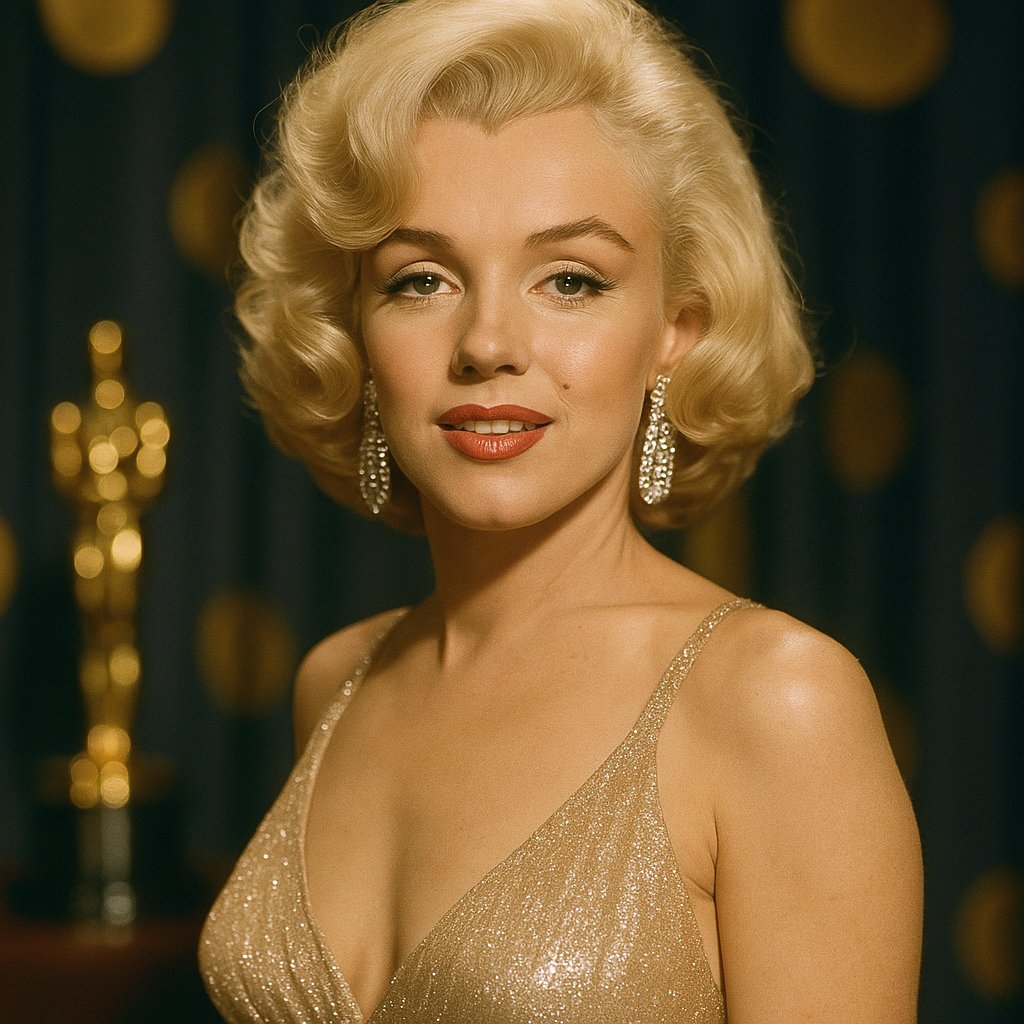
Her influence on fashion and beauty standards extended far beyond her lifetime. The “Monroe Doctrine” of glamour—red lips, blonde hair, curves celebrated rather than hidden—represented a deliberate rejection of the severe, angular beauty ideals that had dominated the 1940s. She popularized the mole on her cheek (which she created with makeup), understanding intuitively how distinctive visual markers could become iconic. Fashion historians continue to study how she mixed haute couture with accessible American style, making her approachable yet aspirational.
Monroe’s relationship with the press was equally calculated. While she cultivated the image of the blonde bombshell who didn’t mind being objectified, she was actually quite strategic about which interviews she gave, to whom, and what aspects of her life she revealed. She understood narrative control before the term became common in celebrity management, carefully feeding stories to select journalists who would present her in favorable lights while maintaining the mystery that fueled public fascination.
Here are the key facts that round out the picture:
- Marilyn Monroe’s birth name was Norma Jeane Mortenson, and she changed it legally in 1956 after marrying Arthur Miller.
- She appeared in over 30 films but received only one Golden Globe, for Some Like It Hot in 1960, a snub that continues to frustrate film historians who view that omission as one of Hollywood’s great injustices.
- Her estate continues to generate millions yearly through licensing, a testament to her lasting hold on entertainment merchandising and her value as a cultural icon decades after her death.
- At the time of her death she owned a collection of over 200 books, many filled with her own annotations—a collection that would eventually be catalogued and studied by scholars examining her intellectual development.
- The iconic white dress from The Seven Year Itch fetched more than $4 million at auction, illustrating how red-carpet culture still orbits her legacy and how her wardrobe choices achieved museum-quality cultural significance.
- She was the first Playboy centerfold in 1953, paid just $50 for the shoot that cemented her as a sex symbol—a transaction that enriched Hugh Hefner’s empire while Monroe herself received minimal compensation.
- Monroe reportedly could speak with a slight British accent and often modulated her voice depending on the social context, a skill that underscored her understanding of performance extending into everyday life.
- She spent significant time in analysis with therapists, viewing psychology not as a sign of weakness but as a tool for self-understanding and artistic growth.
These threads paint a fuller portrait of an actress whose life brushed against Hollywood’s golden-era machinery, marked by quiet advocacy, intellect, and the kind of fortitude that still fuels conversations about what it takes to survive—and shape—the spotlight. Monroe’s legacy transcends her filmography; she fundamentally altered what was possible for women in entertainment, proving that commercial appeal and artistic ambition need not be mutually exclusive, and that vulnerability coupled with intelligence creates a power that outlasts trends and transcends