
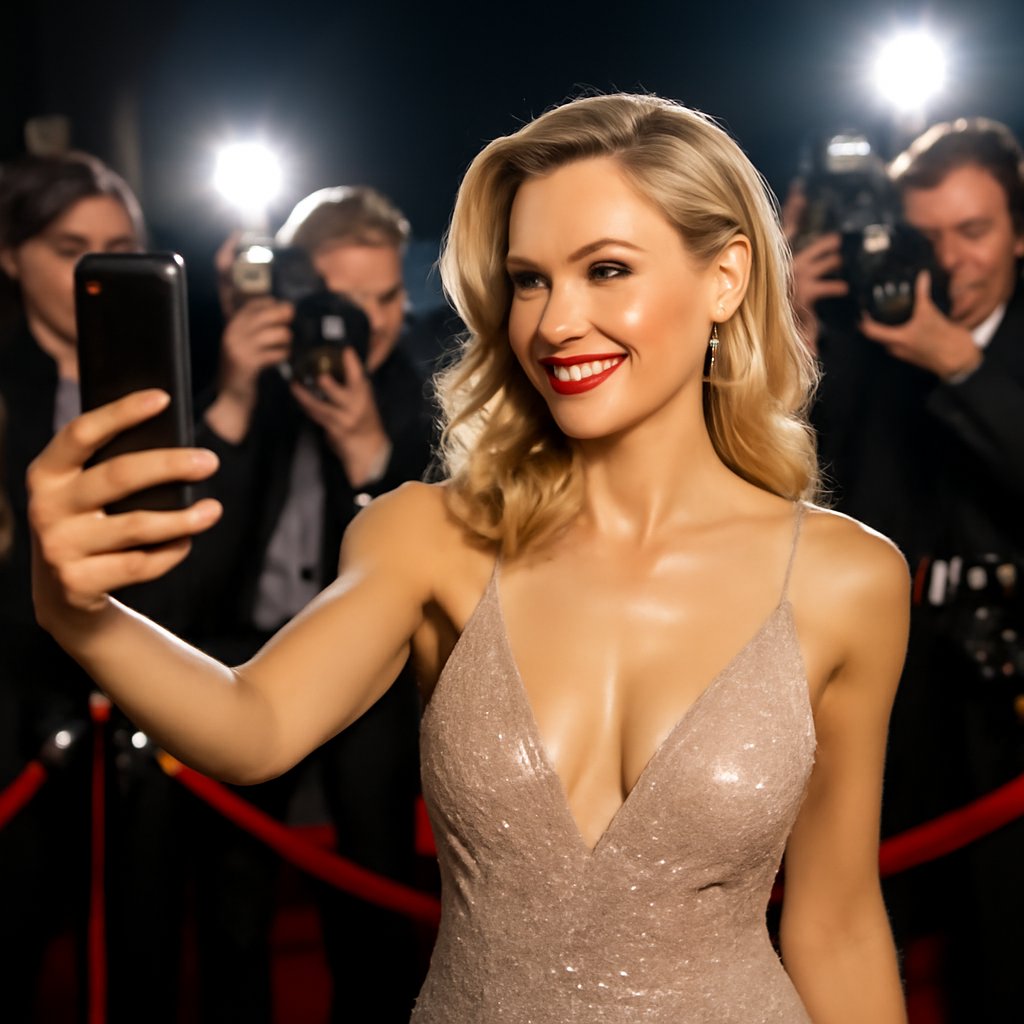
Covering Hollywood for over a decade, you learn quickly that social media has flipped the entire power structure of fame on its head. Where studio gatekeepers and traditional media once held the keys, platforms like Instagram, TikTok, and Twitter now let anyone build a following that can turn them into household names overnight, reshaping everything from movies and music to the broader pop culture conversation.
This is a story Black entertainment journalists have watched unfold for years: the democratization of access that lets diverse voices break through barriers that once kept them sidelined in Hollywood’s old pipelines. Viral moments on TikTok, for instance, can catapult careers in hours rather than the years of auditions and record deals that defined earlier eras. Take how artists like Olivia Rodrigo have used short-form video to drop chart-topping singles that dominate playlists across town.
Many modern stars now sidestep casting directors altogether. Reality personalities and social media creators rack up millions of followers before landing major film deals, which shows how unpredictable and empowering these shifts can be. Agents and gossip outlets track follower counts with the same intensity they once reserved for box office receipts, scouting talent through engagement metrics instead of polished headshots.
Musicians lean on Instagram Stories and Twitter threads to drop behind-the-scenes glimpses that build tighter fan bonds, translating directly into streams and sold-out shows. Actors do the same with rehearsal clips or red carpet looks, turning every post into free promotion for their next blockbuster. On the red carpet, those carefully curated images now carry as much weight as the designer gowns themselves.
Yet the speed of it all has transformed celebrity gossip into a nonstop global feed. Paparazzi shots once saved for tabloids now battle real-time fan videos, blurring the line between public image and private life in ways that feel especially acute for Black stars navigating Hollywood’s double standards around visibility and privacy.
Memes and hashtags can lift or tank reputations in a single cycle, with one offhand tweet sparking endless commentary. At the same time, genuine responses to controversies often humanize celebrities and strengthen ties with audiences who crave transparency. Stars can now clap back directly instead of waiting on publicists, forcing traditional PR playbooks to adapt to fans who expect instant updates on everything from album drops to relationship twists.
The pressures mount just as fast. Mental health strains among younger talents frequently stem from the grind of maintaining polished online personas, while cancel culture can dismantle careers that took decades to build. Location tags and constant fan interactions have forced many to build entire teams just to manage their digital footprints, a far cry from the controlled glamour of classic Hollywood. Algorithm mastery has become its own survival skill, since a project that fails to trend can flop even with strong reviews, influencing which films and series get studio backing.
Covering this beat since 2014 has shown me how these dynamics hit Black excellence especially hard and rewarding at once, as social metrics increasingly shape casting calls. Over 70% of new music discoveries among Gen Z now happen via TikTok instead of radio. Celebrities with more than 10 million Instagram followers enjoy an average 40% lift in premiere viewership. A-listers average four hours daily on social for engagement and deals. Viral gossip about pop stars racks up to 500% more interaction than official studio releases. And more than half of streaming series casting decisions now weigh an actor’s existing following as a major factor.
The shift toward social media influence has also reshaped how celebrities monetize their presence beyond traditional entertainment contracts. Sponsorship deals and brand partnerships now often depend more on authentic engagement rates than raw follower numbers. Companies recognize that micro-influencers with highly engaged niche audiences frequently deliver better ROI than mega-celebrities with passive followers. This has created entirely new revenue streams for entertainers, allowing them to earn substantial income directly from their platforms without needing studio approval or traditional media coverage to validate their worth.
Celebrity-owned businesses have flourished in this environment. From Rihanna’s Fenty empire to actor-producer ventures launched through Instagram announcements, social media provides both the testing ground and the direct-to-consumer channel that minimizes distribution barriers. Stars can gauge audience interest, build anticipation, and manage inventory all through their feeds. The democratization extends beyond talent discovery—it’s fundamentally changed the business model of celebrity itself, making entrepreneurs out of entertainers who might otherwise remain confined to their original roles.
The role of influencer culture has created an interesting parallel track to traditional celebrity. Some of today’s most followed figures never auditioned for a studio film or released a major label record. Instead, they built empires through consistent, relatable content on platforms like YouTube and Instagram, attracting audiences that rival or exceed traditional celebrity followings. This has forced Hollywood to take these creators seriously as both talent and as gatekeepers themselves—many brands now value partnerships with top influencers as much as they do celebrity endorsements, if not more.
However, the sustainability question looms large. Social media fame can evaporate as quickly as it arrives. Algorithms change, trends shift, and audiences migrate to new platforms. Unlike a successful film career or Grammy Award, viral fame offers no guaranteed longevity. This creates a precarious situation for creators who’ve built their entire income around platform-dependent metrics. Several prominent TikTok stars have faced dramatic follower losses when algorithms changed, and Instagram’s shifting priorities have repeatedly disrupted creators’ income streams. The contrast with established entertainers who’ve diversified their presence—across music, film, endorsements, and social media—underscores the importance of multi-platform strategies.
The international dimension of social media fame has also reshaped what celebrity means globally. K-pop groups leverage fan communities across continents through coordinated social media campaigns, while anime and gaming creators build fanbases that span cultures in ways traditional entertainment rarely achieved. This has influenced casting decisions for international projects and created opportunities for non-traditional celebrities to headline major productions based purely on their digital reach and fan loyalty.
Yet with opportunity comes scrutiny. The permanence of social media posts has made celebrities increasingly cautious, while simultaneously creating archives that can resurface old tweets or photos to challenge current narratives. Public figures now face a level of accountability that previous generations largely escaped. Canceled celebrities find themselves unemployable not because studios reject them, but because audiences do—and they make that clear instantly across platforms.
The game keeps evolving, mixing fresh opportunity with real demands on those in the spotlight. Stars who nail authentic digital storytelling while guarding their peace stand the best chance at longevity in an industry that rewards reach but rarely pauses for the human cost.
Sources
- The Hollywood Reporter – Entertainment industry news and analysis on celebrity culture and media trends
- Variety – Coverage of entertainment business, celebrity news, and digital media impact
- IMDb – Comprehensive database of entertainment industry data and celebrity profiles
- People Magazine – Celebrity news, interviews, and cultural impact stories
- Social Media Today – Analysis of social media trends and their influence on public figures