
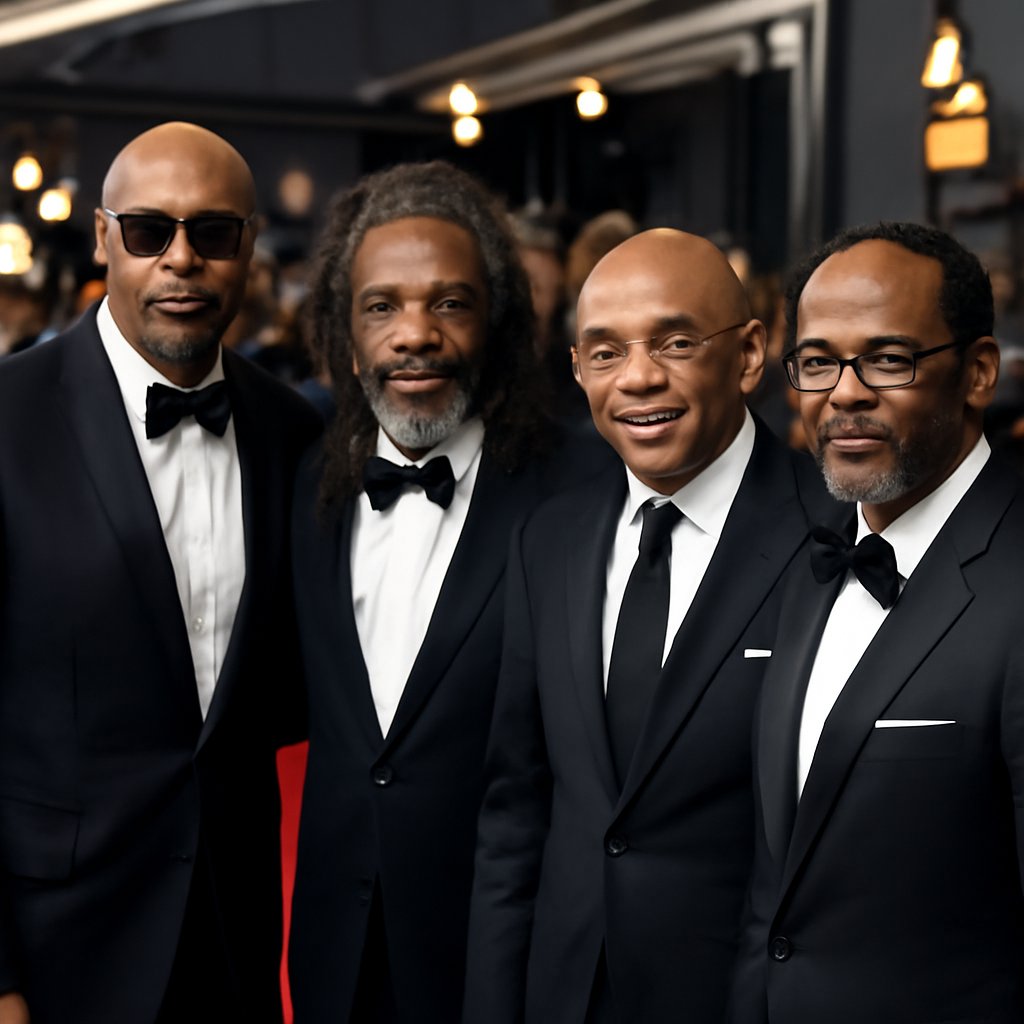
Quincy Jones set the blueprint for what it means to produce a global phenomenon when he helmed Michael Jackson’s Thriller, an album that didn’t just dominate charts but rewired how music crossed into movies, memes, and late-night Twitter threads. His core advice—surround yourself with the best and check your ego at the door—still lands in today’s sessions where artists from Frank Sinatra’s era to current soundtrack placements in major blockbusters keep the same rule alive. On social media, this moment hit different because Jones’s insistence on emotional truth turned personal stories into tracks that fans still dissect in TikTok edits and Reddit deep dives decades later. The numbers behind his fanbase tell a clear story: 28 Grammys and over 50 million Thriller copies mean his methods keep fueling both streaming spikes and box-office tie-ins whenever a new generation discovers them.
Jones’s philosophy extended beyond the technical aspects of recording—he fundamentally believed that the producer’s job was to serve the artist’s vision while elevating it beyond what they could achieve alone. He famously worked with arrangers and musicians who challenged him, understanding that creative friction often produces the best results. This approach meant that during Thriller’s production, he wasn’t afraid to request multiple takes, experiment with unconventional sounds, and blend genres in ways that seemed risky at the time. His willingness to trust his instincts while remaining open to collaboration became the gold standard for producers across generations. When working with emerging talent today, this lesson proves invaluable—the best producers aren’t dictators but facilitators who know when to push and when to step back.
Rick Rubin’s minimalist approach with everyone from Johnny Cash to the Red Hot Chili Peppers shows how stripping a track to its bones can create the kind of raw energy that modern film scores chase. He keeps reminding creators that less really is more, especially when artists are navigating the pressure of viral fame and constant media cycles. His philosophy emerged from a simple observation: in an era of constant overstimulation, the most powerful art often comes from simplicity and authenticity. When Rubin worked with Johnny Cash on the American Recordings series, he didn’t load the tracks with layers of instrumentation. Instead, he created space for Cash’s voice and the emotional weight of the lyrics to breathe, proving that restraint could be more impactful than excess. This approach directly challenges the streaming-era tendency to cram every second with hooks and drops, suggesting that listeners actually crave moments of genuine human connection.
Phil Spector’s Wall of Sound, meanwhile, proved that dense, live-room energy could deliver emotional punch that still echoes in today’s pop productions and Hollywood scores. Together they illustrate how technical craft meets the star-making machine, and their combined catalogs have racked up billions in entertainment revenue while inspiring endless think-pieces on platform algorithms and fan loyalty. Spector’s legacy is more complicated than his technical innovations—his production methods, which involved layering multiple instruments and vocals to create an immersive wall of sound, became foundational to how modern pop music is structured. His work with artists like The Ronettes and The Crystals demonstrated how production could be as much of a star as the performer, a concept that influenced everything from Phil Collins’s drum sounds to modern trap production techniques.
George Martin treated the studio itself like another instrument during his Beatles run, pushing arrangement experiments that later became standard in big-budget movie scoring and biopics. His advice to really listen to an artist’s vision helped turn the Fab Four into multimedia legends whose music still drives streaming playlists and celebrity documentaries. Martin’s technical innovations—from experimenting with backwards recording techniques to creating orchestral arrangements that perfectly complemented rock instrumentation—set new standards for what was possible in the studio. His ability to translate the band’s creative vision into reality, even when they lacked the technical vocabulary to explain what they wanted, demonstrated the importance of intuitive understanding between producer and artist. Modern producers who work with established acts or emerging talent often reference Martin’s approach when discussing how to balance artistic integrity with commercial appeal.
Beyond his work with The Beatles, George Martin produced or engineered recordings for artists ranging from Cilla Black to Cheap Trick, consistently applying his philosophy that the producer should enhance rather than overshadow the artist’s natural talent. His mentorship of younger producers and engineers created a ripple effect throughout the industry, with many of his protégés becoming influential figures themselves. This legacy of knowledge transfer demonstrates an often-overlooked aspect of legendary producers—their willingness to educate the next generation ensures that their influence extends far beyond their own catalog.
Max Martin carries that forward with his focus on unforgettable hooks for artists like Taylor Swift and Britney Spears, urging producers to study what makes songs stick in the age of algorithmic playlists and red-carpet premieres. More than 20 Billboard Hot 100 number ones later, his approach keeps tracks climbing charts and soundtracking viral social moments. Martin’s secret lies in understanding song structure at a fundamental level—he knows exactly where to place a hook, how long to let a melody breathe before repeating it, and when to introduce a production element that will catch listeners’ attention. His work spans decades and styles, from bubblegum pop to country-pop crossovers, suggesting that great songwriting and production principles transcend genre boundaries. Artists and producers studying Martin’s catalog often discover that his seemingly simple pop songs contain sophisticated harmonic choices and arrangement decisions that reward repeated listening.
Martin’s collaborative process involves extensive demo work and iteration, often trying dozens of melodic and structural variations before landing on the final version. This meticulous approach contradicts the myth that hit songs emerge fully formed from inspiration. Instead, they’re crafted through deliberate decision-making and relentless refinement. For emerging producers and songwriters, this lesson is particularly valuable in a landscape where content is consumed quickly and algorithmic playlists determine exposure. Understanding that catchiness requires strategy, not luck, changes how creators approach their work.
The stats speak volumes: Rick Rubin’s Def Jam era launched careers worth billions in soundtrack deals, George Martin’s Sgt. Pepper techniques still shape film scoring, Phil Spector’s methods powered over 150 chart hits, and the combined catalogs of these legends have crossed 100 billion streams. That kind of reach doesn’t happen without the blend of technical mastery and emotional storytelling they all preached. New creators can apply the same lessons to build work that cuts through the noise of gossip cycles and platform shifts, turning fleeting attention into lasting cultural impact.
One thread connecting all these legendary producers is their commitment to analog recording techniques and the warmth that comes from working with tape. While digital recording has democratized music production and made high-quality results accessible to anyone with a laptop, many contemporary producers credit studying analog methods with improving their ear and decision-making. Understanding why certain equipment choices matter—even if you’re ultimately working in the digital domain—helps producers make intentional choices rather than defaulting to whatever sounds trendy on social media.
Another shared principle among these titans is the importance of A&R instinct—the ability to identify not just talented artists but those with staying power and authentic voices. Quincy Jones, Rick Rubin, and others built their legacies partly through discovering and nurturing artists who would define their era. This skill involves listening beyond current trends to identify what will resonate years later, a valuable ability in an industry often obsessed with immediate streaming numbers and chart positions.