
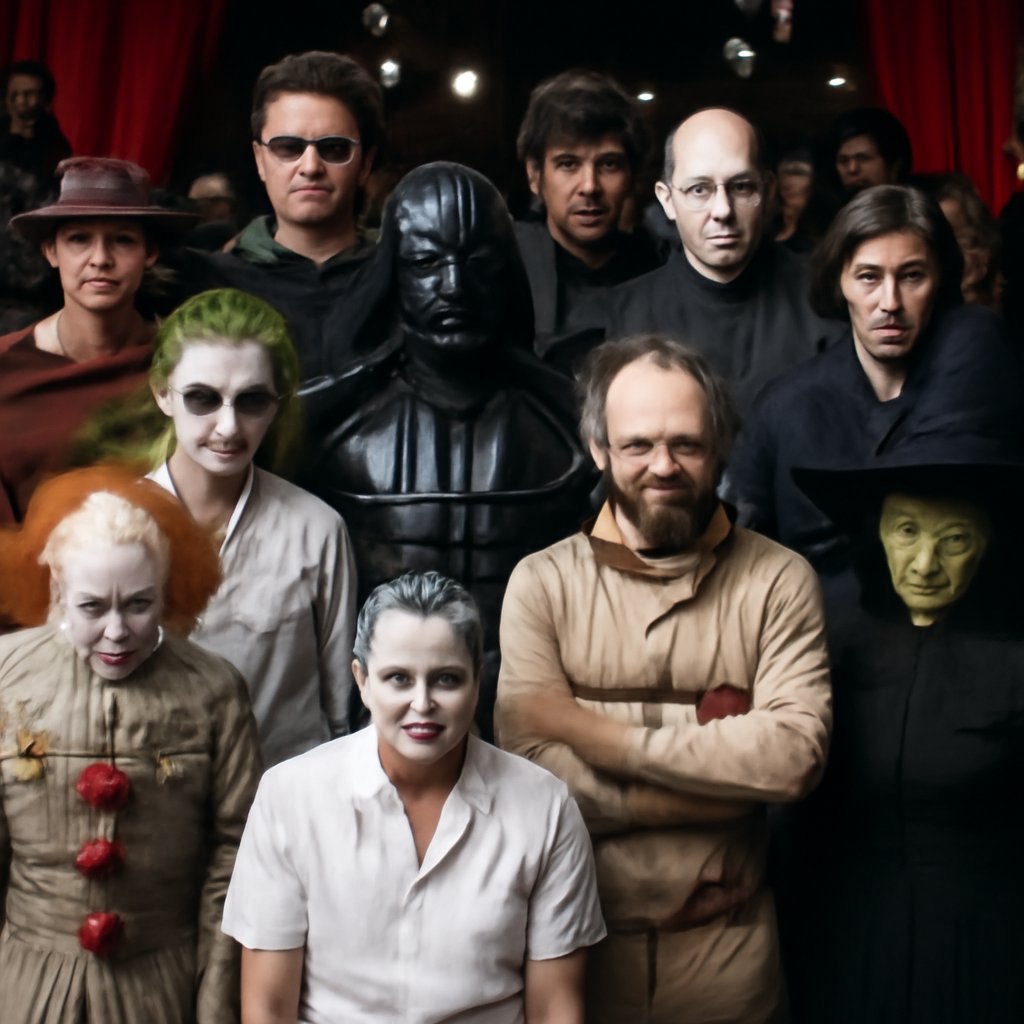
Covering Hollywood for over a decade, you learn quickly that the most unforgettable movie villains don’t just lurk in the shadows—they often expose the very power structures that shape the industry itself. These top 10 greatest movie villains of all time, brought to life by legendary performances, have fueled endless debates on red carpets and in green rooms alike, blending menace with charisma in ways that echo through Black celebrity culture and beyond.
In classic Hollywood, few figures loom larger than Darth Vader from Star Wars. James Earl Jones’ commanding voice paired with David Prowse’s physical presence turned a tragic fall from Anakin Skywalker into a layered redemption story that still sparks conversations about Black excellence behind the mic in blockbuster franchises. That depth influenced generations of discussions on how Hollywood handles complex antagonists. Jones’ vocal performance became so iconic that it redefined how audiences perceive villainy—proving that menace could be conveyed through tone and delivery rather than visual theatrics alone. The character’s eventual redemption arc fundamentally changed how studios approach villain narratives, making Vader a template for morally complex antagonists across every genre.
Norman Bates from Psycho followed close behind, with Anthony Perkins twisting the mother-son bond into psychological terror that redefined suspense for mid-century cinema. The role keeps resurfacing in pop culture references, a reminder of how one performance can shift entire genres. Perkins’ portrayal introduced audiences to the concept of the sympathetic serial killer—a man whose trauma and mental illness drive his actions, rather than pure evil. This nuance opened doors for countless psychological thrillers that followed, from Silence of the Lambs to modern prestige television. The shower scene alone revolutionized how filmmakers approach violence on screen, demonstrating that suggestion and implication often prove more terrifying than explicit gore.
Then there’s Hannibal Lecter from The Silence of the Lambs. Anthony Hopkins’ Oscar-winning portrayal of the refined cannibal pushed serial killers into high-art territory, his polished manners masking brutality and keeping entertainment media fixated on morally gray characters ever since. What makes Hopkins’ performance particularly brilliant is how he commands every scene despite being confined to a glass cell—his intelligence, wit, and dark charm making him simultaneously repulsive and magnetic. The character’s cultural impact extended far beyond cinema, inspiring Halloween costumes, merchandise, and countless parodies that cemented Lecter as perhaps the most recognizable villain in modern entertainment history.
Modern blockbusters brought fresh heat with The Joker from The Dark Knight. Heath Ledger’s anarchic take earned posthumous acclaim and locked the character into the top tier of villains, while his intense prep methods fueled plenty of insider gossip about the toll method acting takes on rising stars navigating Hollywood’s brutal spotlight. Ledger’s approach to the character—isolating himself, improvising scenes, and developing an unpredictable physicality—set a new standard for villain performances that many actors have attempted to replicate. His Oscar win, awarded after his tragic death, sparked important conversations about mental health in Hollywood and the pressure actors face when diving into such dark material. The performance proved that villains could anchor blockbuster films and drive box office success, fundamentally changing how studios budget and market their antagonist-centered narratives.
Anton Chigurh from No Country for Old Men added existential dread through Javier Bardem’s coin-flipping hitman, challenging traditional hero-villain dynamics and highlighting how today’s thrillers probe moral ambiguity amid shifting industry power plays. Bardem’s unique physicality—the distinctive hairstyle, the mechanical calm, the unpredictable violence—created a villain who feels almost inhuman, a force of nature rather than a character with conventional motivations. The character represents a new breed of antagonist: one who operates outside traditional moral frameworks and cannot be reasoned with or defeated through conventional means. This archetype has influenced countless thriller villains since, from television antiheroes to indie crime dramas.
Nurse Ratched from One Flew Over the Cuckoo’s Nest exposed institutional cruelty with Louise Fletcher’s subtle tyranny, earning her an Academy Award and staying relevant in critiques of power structures—especially as mental health portrayals intersect with conversations around who controls narratives in entertainment. Fletcher’s brilliant performance demonstrates that villainy doesn’t require theatrical gestures; her power operates through bureaucratic control, passive aggression, and the systematic dehumanization of those under her care. The character became a cultural shorthand for institutional abuse and has been referenced in everything from political critiques to corporate workplace discussions. Her Oscar win proved that audiences and critics recognize villainy expressed through systemic oppression as powerfully as through overt violence.
Hans Gruber from Die Hard set the gold standard for sophisticated action villains, Alan Rickman’s dry wit and calculated schemes influencing countless blockbusters while elevating his own profile in an industry that often sidelines nuanced bad guys. Rickman brought Shakespearean gravitas to what could have been a one-dimensional antagonist, creating a villain who is charming, intelligent, and genuinely threatening. His chemistry with Bruce Willis elevated the entire film, making their conflict feel personal and ideological rather than merely physical. The character proved that action films could feature complex villains without sacrificing entertainment value, paving the way for smarter blockbusters throughout the 1990s and 2000s.
This is a story Black entertainment journalists have watched unfold for years with Cruella de Vil from 101 Dalmatians. Glenn Close’s flamboyant, fur-obsessed socialite blended camp and cruelty into a fashion icon whose over-the-top style still inspires Halloween looks and music video nods across red carpet culture. Close’s performance captured the delicious nature of theatrical villainy—the character is so entertaining that audiences find themselves rooting for her despite her horrific intentions. This paradox has made Cruella endlessly adaptable, from animated films to live-action reimaginings to streaming series, proving that some villains possess cultural longevity that transcends their original material.
Voldemort from the Harry Potter series gained fear-inducing presence through Ralph Fiennes, turning a children’s franchise into a global phenomenon whose rise-and-fall arc mirrors the celebrity power plays we dissect daily in Hollywood circles. Fiennes’ portrayal captured the character’s volatility and narcissism, making him a villain whose ego and desire for control ultimately prove his downfall. The character’s evolution throughout the franchise—from mysterious dark force to fully realized antagonist—demonstrated how serialized storytelling allows for villain development across multiple films and years, building mythology and audience investment in ways standalone films cannot match.
Finally, Regina George from Mean Girls captured high-school tyranny so perfectly via Rachel McAdams that the character spawned endless memes and turned the film into a pop culture touchstone, proving even teen queens can reflect broader dynamics of influence and exclusion. McAdams’ performance balanced likability with believable menace, creating a villain who operates through social manipulation rather than violence. The character resonated across demographics and generations, becoming a reference point for discussions about bullying, female competitiveness, and social hierarchies. Her iconic quotes—”You go, Glen Coco,” “On Wednesdays we wear pink”—transcended the film itself, becoming permanent fixtures in internet culture and proving that contemporary villains can achieve legendary status through relatability rather than grandiosity.
Key facts underscore their staying power: The Joker topped many critic lists after The Dark Knight’s record-breaking run; Anthony Hopkins logged just 16 minutes on screen as Hannibal Lecter yet claimed Best Actor; Darth Vader’s “I am your father” reveal ranks among the most quoted lines, referenced in over 500 TV shows; Heath Ledger’s work earned a posthumous Oscar and spotlighted method acting; Mean Girls has generated more than $130 million in merchandise from Regina’s quotes; Norman Bates helped birth a psychological thriller subgenre still dominating streaming; and most recently, streaming platforms have greenlit villain origin stories, with Cruella and Ratched earning their own series based on their cultural cachet and audience fascination.
These villains keep captivating because they blur hero and foe in ways that mirror real Hollywood tensions, sustaining the gossip, debates, and cultural resonance that define entertainment for years. They remind us that the most memorable characters in cinema often occupy the spaces between good and evil, challenging our moral certainties and forcing us to confront uncomfortable truths about human nature. As long as storytellers continue exploring the complexity of antagonists, these legendary villains will remain touchstones for measuring excellence in cinematic villainy.