
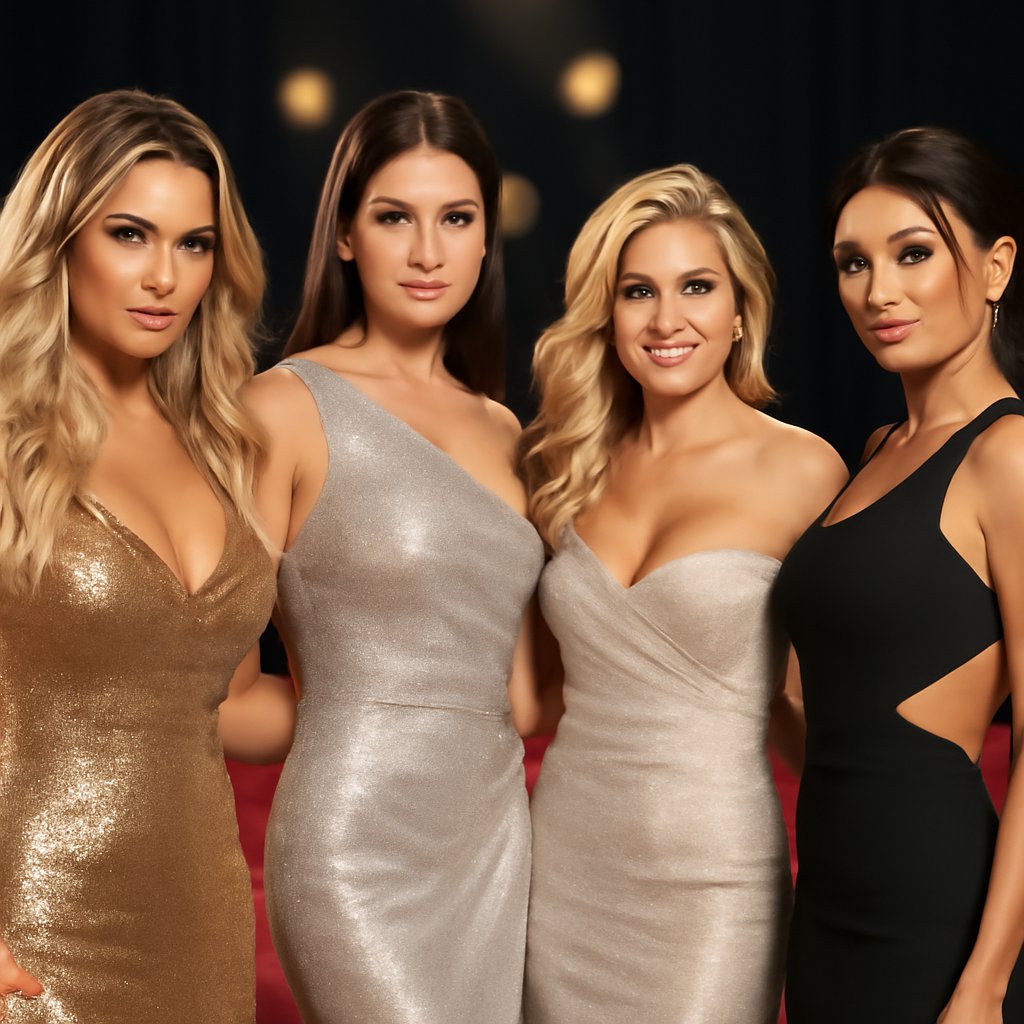
Reality TV has carved out its own lane in Hollywood, turning everyday folks into the kind of stars who command red-carpet attention and shift the entire pop-culture conversation. Covering Hollywood for over a decade, you learn quickly that these unscripted personalities don’t just chase fame—they often rewrite the rules of access in an industry still built on gatekeepers and legacy power.
The early 2000s marked when the genre truly exploded, moving from shows like Survivor and The Real World into full-blown cultural forces. What began as a novelty quickly became a pipeline for household names who felt closer to audiences than the usual studio-backed actors. This is a story Black entertainment journalists have watched unfold for years: the moment ordinary charisma met 24/7 media cycles and changed who gets to sit at the table.
Breakthrough series such as Keeping Up with the Kardashians and The Bachelor turned cast members into fixtures of the gossip machine. Kim Kardashian took that platform and built a multibillion-dollar business across beauty, fashion, and beyond, showing how reality fame can blur into mainstream empire-building. The same dynamic plays out across franchises where Black excellence shines through—think the powerhouse women of Real Housewives of Atlanta who turned on-camera tension into lasting influence and brand equity.
The path to reality stardom differs markedly from traditional Hollywood trajectories. Casting directors hunt for a specific blend of authenticity and telegenic appeal—people who can carry dramatic narratives naturally without feeling overly performed. This means the barrier to entry feels lower than studio gatekeeping, yet the competition remains fierce. Networks receive thousands of applications for limited slots, and producers spend months vetting personalities, checking social-media presence, and assessing how someone might mesh with existing cast dynamics. The selection process favors those with existing followings, interesting backstories, and an undeniable spark that translates on camera.
Casting calls remain brutal tests of personality and openness. Once the cameras roll, every heated exchange or romance becomes instant tabloid fuel, often leading to endorsement deals and follower counts that rival A-listers. Yet the glare brings real pressure: constant filming, social-media pile-ons, and the mental-health weight of living inside a manufactured persona. Stars from shows like Vanderpump Rules have openly navigated addiction and public betrayals while still holding massive audiences, a reminder that vulnerability and resilience walk hand in hand in today’s entertainment landscape.
The financial incentives for reality TV participation have evolved dramatically. While early reality stars earned modest compensation—sometimes just a few thousand per episode—today’s landscape offers significantly more. Top-tier cast members on franchises like the Real Housewives series, Keeping Up with the Kardashians, or Love Island can command $10,000 to over $500,000 per episode depending on their tenure and star power. Newer cast members typically start between $3,000 and $15,000 per episode, but negotiate upward as ratings climb and their personal brands strengthen. Beyond base pay, shrewd reality stars leverage their exposure into sponsorships, product placements, and affiliate marketing that often exceed their on-camera earnings.
High-profile rivalries—especially within the Real Housewives universe—keep viewers locked in and frequently spill into music drops or film cameos. These clashes drive coverage and reinforce a star’s staying power, though the emotional toll can push many toward therapy and strategic breaks. The $5 billion annual U.S. market figure, the half-million-per-episode paydays for top talent, and the 60 percent spike in social-media engagement all underscore how much the industry depends on these personalities.
Social media has fundamentally transformed the reality TV ecosystem. Unlike actors who maintain carefully curated public personas, reality stars often share unfiltered content directly with millions of followers across Instagram, TikTok, and Twitter. This direct access creates unprecedented intimacy and parasocial relationships—fans feel they know these personalities personally. A single controversial post can trigger boycotts or, conversely, turn a minor cast member into a viral sensation overnight. Savvy reality stars have learned to use social platforms strategically, posting behind-the-scenes content, engaging with fan theories, and building communities that extend far beyond their television appearances. Some have parlayed massive social followings into independent platforms where they control their own narratives completely, bypassing networks and traditional media altogether.
The mental-health conversation around reality TV has intensified in recent years. The genre’s relentless filming schedule—often 12 to 16-hour days for months at a time—combined with the psychological stress of manufactured drama and constant public scrutiny has led several cast members to exit shows or speak openly about depression, anxiety, and substance abuse. Production companies have begun offering mental-health support, though critics argue these measures often remain inadequate given the intense pressure inherent to the format. Some reality stars have founded advocacy initiatives specifically addressing industry wellness, recognizing that their platforms carry responsibility alongside privilege.
Many eventually expand into film, music, and production. Roughly a quarter of prominent reality stars land music or movie deals within five years, while average viewership for major franchises still tops five million weekly during peak runs. Celebrity gossip outlets devote nearly 40 percent of their space to reality drama, proof that these narratives now sit at the center of red-carpet culture. Musicians like Cardi B and Nicki Minaj got their start partially through reality TV exposure, and countless actors have used reality appearances to rehabilitate their public images or launch comeback narratives. Conversely, some A-list celebrities strategically appear on reality shows to humanize themselves or reach younger demographics.
The smartest players diversify early—launching businesses, backing causes that matter to their fans, and choosing projects that stretch beyond the original format. That approach turns fleeting fame into decades-long relevance. Mental-health advocacy among reality stars has also grown, with several using their platforms to push for better industry support. Entrepreneurs like Kylie Jenner and Serena Williams have demonstrated that reality-TV fame serves as an effective springboard for building empires when paired with strategic business acumen and genuine product development. Others have focused on activism—leveraging their reach to highlight social justice causes, environmental issues, or healthcare access.
The casting and production of reality TV also raises important conversations about representation and diversity. For years, certain franchises faced criticism for whitewashing their casts, leading to more intentional casting efforts in recent seasons. Networks now understand that audiences demand varied perspectives and experiences, and casting decisions reflect broader cultural conversations about inclusion in entertainment. This shift has created opportunities for underrepresented communities while also raising questions about tokenism and whether diversity feels authentic or forced.
At its core, the reality-TV lane keeps reflecting how we define celebrity itself: ambitious, dramatic, and constantly reinventing. Whether through scandal or comeback, these stars keep the spotlight trained on the ever-shifting power map of modern Hollywood. The genre continues evolving, with international franchises gaining traction, streaming platforms investing heavily in unscripted content, and new formats experimenting with interactivity and audience participation. What remains constant is the audience appetite for authentic human drama—the messy, unfiltered stories that traditional entertainment rarely offered before reality television rewrote the rules.