
If you’ve spent any time bingeing true crime documentaries or celebrity scandal coverage, you’ve probably wondered what really happens behind the yellow tape. A crime scene investigator is often the quiet hero of these stories, the person dusting for prints while reporters and fans speculate outside. Thanks to shows like “CSI,” “Forensic Files,” and countless Netflix docuseries about celebrity deaths and high-profile cases, this job has become one of the most romanticized careers on television. But the reality is stranger, slower, and honestly more fascinating than the shows let on.
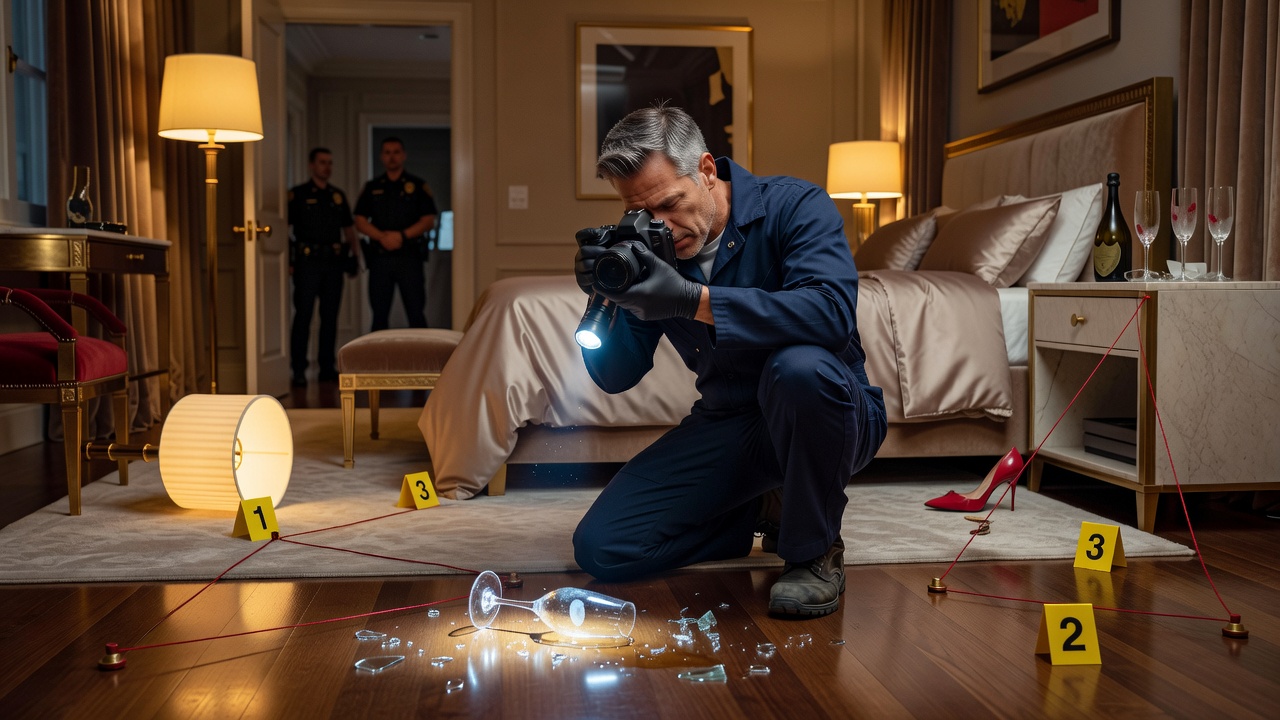
Celebrity culture and true crime have become weirdly intertwined lately. Every time a famous name gets connected to a mysterious death, overdose, or unsolved case, the internet wants to know exactly how investigators pieced together the timeline. That curiosity is exactly why understanding this job matters, even if you’re just here for the gossip.
What a Crime Scene Investigator Really Does on the Job
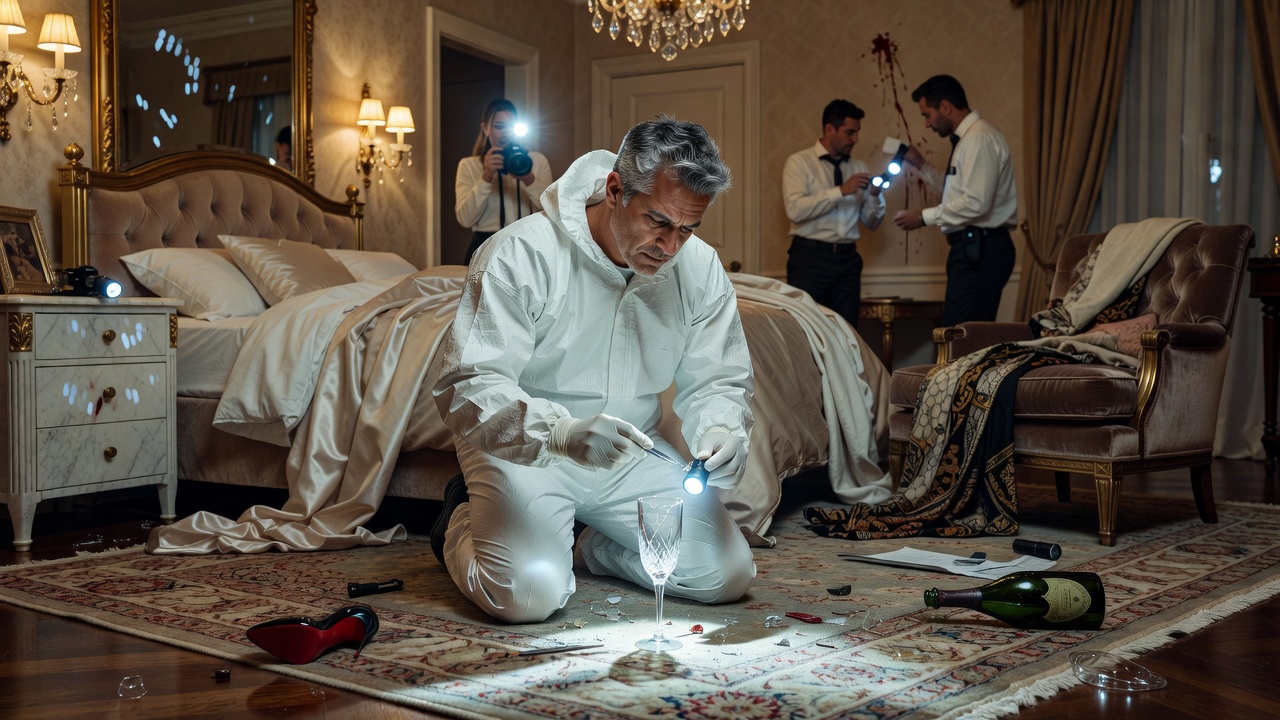
Forget the moody lighting and dramatic one-liners. A real crime scene investigator, sometimes called a forensic science technician, spends most of their time on methodical, unglamorous work. According to the U.S. Bureau of Labor Statistics, these professionals collect evidence like fingerprints, fibers, blood samples, and weapons, then document everything with photographs and detailed notes before anything gets moved or tested.
Here’s the part that surprises most people: investigators who process the scene usually aren’t the ones running DNA tests in a lab. Those are often separate roles entirely. The person kneeling over evidence at 2 a.m. is frequently a police officer or civilian technician trained specifically in evidence collection, while forensic scientists back at the lab handle chemical analysis and toxicology screens.
Actual duties typically include:
- Photographing the scene from multiple angles before touching anything
- Sketching the layout to preserve spatial relationships between evidence
- Collecting trace evidence like hair, fibers, and gunshot residue
- Packaging evidence to prevent contamination
- Maintaining strict chain-of-custody paperwork so evidence holds up in court
That last point is where a lot of celebrity legal drama actually plays out. Chain-of-custody mistakes have derailed major cases before, which is why defense attorneys in high-profile trials often grill investigators for hours about how evidence was handled.
Why TV Shows Get It So Wrong
The so-called “CSI effect” is a real phenomenon that researchers have studied for years. Jurors who grow up watching forensic dramas sometimes expect instant DNA results and dramatic lab reveals, when in reality, backlog at crime labs can stretch results out for weeks or months. The National Institute of Justice has written extensively about how these unrealistic expectations affect actual courtroom outcomes, sometimes making jurors skeptical of solid evidence simply because it wasn’t wrapped up in an hour like on television.
How Celebrity Cases Put Crime Scene Investigators in the Spotlight
Some of the most talked-about celebrity deaths and scandals over the past few decades became public fascinations largely because of how the crime scene investigation unfolded. When details leak about a scene, a strange scuff mark, an unusual bruise pattern, an inconsistency in a timeline, fans and internet sleuths run wild with theories.
Take high-profile overdose investigations or sudden celebrity deaths that get reopened years later. The public obsession isn’t just about the celebrity; it’s about the process. People want to know how investigators determined time of death, whether toxicology matched witness statements, or why certain evidence took so long to process. This is part of why true crime podcasts covering celebrity cases have exploded in popularity, hosts often bring on retired investigators or forensic experts to walk through what actually would have happened at the scene.
The Rise of “Armchair Forensics” Fandom
Social media has created an entire subculture of amateur investigators picking apart celebrity case details. TikTok and Reddit threads dissect police reports line by line, sometimes more thoroughly than actual news coverage does. It’s not always accurate, and real investigators have publicly pushed back on wild theories that ignore basic forensic science, but it shows how much people crave understanding the “how” behind these tragic headlines.
The Skills That Actually Matter in This Career
If the job intrigues you beyond the true crime binge-watching, know that it takes serious training. Most crime scene investigator positions require a background in criminal justice, biology, or forensic science, plus specialized certification. The Crime Scene Investigator Network notes that many technicians also complete apprenticeships or on-the-job training under experienced investigators before they’re allowed to work major scenes independently.
Key traits that separate good investigators from great ones:
- Extreme attention to detail, missing a single fiber can change a case outcome
- Strong stomach and emotional resilience for disturbing scenes
- Excellent writing skills since reports get scrutinized in court
- Patience, since scene processing can take many hours or even days
- Comfort with public speaking and testifying under cross-examination
It’s also worth mentioning that this career doesn’t pay like a TV drama might suggest. Median pay for forensic science technicians sits well below what people assume, given how essential the work is to solving cases that dominate headlines for months.
Why This Fascination Isn’t Going Anywhere
Between endless true crime content and celebrity scandals that keep resurfacing years later, public interest in forensic investigation keeps growing. Every viral case, every reopened cold case involving a famous name, every documentary that promises “new evidence,” puts a spotlight back on the investigators who quietly did the actual work long before anyone was tweeting theories about it.
The next time you’re deep in a true crime rabbit hole about some shocking celebrity case, remember that behind the headlines and hot takes, there was probably a crime scene investigator methodically bagging evidence, taking notes nobody will ever read publicly, and building the foundation for whatever verdict eventually made the news.
Sources
- Crime Scene Investigation, National Institute of Justice, U.S. Department of Justice
- Forensic Science Technicians: Occupational Outlook Handbook, U.S. Bureau of Labor Statistics
- Forensic Response: Crime Scene Documentation, Federal Bureau of Investigation
- What is Forensic Science?, American Academy of Forensic Sciences