
Rihanna’s ascent from Barbados-born chart-topper to one of entertainment’s most formidable power players has kept the industry on notice for years. Covering Hollywood since 2014, you learn quickly that few artists turn red-carpet magnetism and chart dominance into a diversified empire the way she has, moving seamlessly between music, beauty, fashion, and film while reshaping who gets to sit at the table.
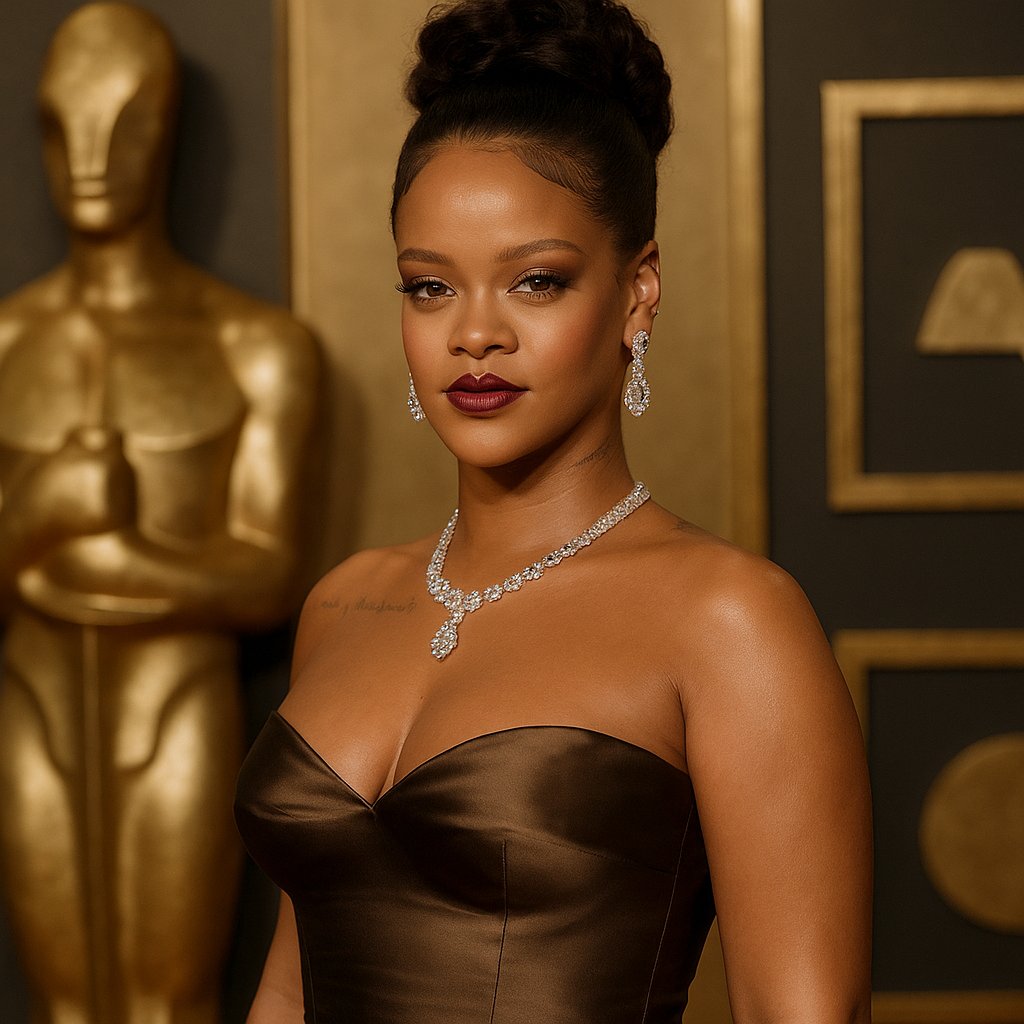
Her breakthrough came via Def Jam, where “Umbrella” and “Diamonds” helped her rack up more than 100 million records sold worldwide. That platform opened doors in Hollywood with appearances in Ocean’s 8 and Bates Motel, proving her star power extended well beyond the studio. Early endorsement work with Puma and Armani gave her a front-row education in product development and brand positioning before she struck out on her own.
This is a story Black entertainment journalists have watched unfold for years: the deliberate pivot from global pop icon to founder who refuses to compromise on representation. Fenty Beauty launched in 2017 through a partnership with LVMH and immediately reset industry standards with its 40-shade foundation range. Savage X Fenty followed, centering body inclusivity with runway spectacles that fused high fashion, live music, and unapologetic celebration of every silhouette. Those moves helped Rihanna reach billionaire status in 2021, a milestone driven largely by her ownership stakes.
The decision to name Fenty Beauty after her birth surname—Robyn Rihanna Fenty—was strategic in ways that extended beyond personal branding. It positioned the company as distinctly her own rather than merely a celebrity vanity project, signaling serious business intent to retailers, investors, and consumers. The Fenty name carries her heritage, grounding the brand in authenticity at a time when beauty companies were increasingly launching celebrity-backed lines with varying degrees of commitment. Rihanna’s ownership structure meant she maintained creative control and financial upside in ways most celebrity founders don’t, a deliberate architectural choice that shaped everything from product development to marketing strategy.
What truly distinguished Fenty Beauty’s launch was the radical inclusivity baked into its DNA from day one. Rather than launching with a standard 15-20 shade range and promising future expansion, the brand launched with 40 foundation shades spanning the full spectrum of skin tones. This wasn’t a gradually accumulated inventory—it was a statement of intent that nobody’s complexion was an afterthought. The shade range addressed a decades-long frustration in the beauty industry where women of color, particularly those with deeper skin tones, were routinely left out of product development cycles. Competitors quickly scrambled to expand their shade ranges, but Rihanna had already captured the narrative and the loyalty of customers who felt seen for the first time.
Savage X Fenty represented an equally deliberate disruption of the lingerie market, an industry long dominated by narrow beauty standards and exclusionary sizing. By featuring models of different body types, ages, abilities, and ethnic backgrounds in high-budget fashion shows, the brand normalized diversity in spaces where it had previously been absent. The annual Savage X Fenty shows became cultural events in their own right, merging runway presentation with musical performance in ways that generated organic social media buzz and press coverage worth millions in advertising equivalency. The decision to make the shows visually spectacular and genuinely entertaining—rather than simply featuring diverse bodies in traditional lingerie presentation—proved that inclusivity and luxury weren’t mutually exclusive concepts.
Further strategic moves included the LVMH-backed Fenty Maison venture and high-visibility moments like her Super Bowl halftime performance that doubled as brand amplification. Her music catalog continues to bankroll expansions into tech, philanthropy, and new film and television projects, keeping her name embedded in both streaming charts and boardroom conversations. The 2016 Super Bowl halftime show performance was particularly notable as it came during a period when Rihanna was actively building her business portfolio, demonstrating that her entertainment presence could serve multiple purposes simultaneously—maintaining her cultural relevance while building brand visibility for her emerging companies.
The Fenty Maison venture, launched in 2022, represented expansion into luxury fashion at a time when Rihanna was less active in music releases. Rather than waiting for chart success to fund the venture, she leveraged her existing brand equity and LVMH’s resources to enter the haute couture space. This move signaled that her business ambitions had evolved beyond beauty and intimate apparel into the highest echelons of fashion. The decision to position Fenty as a maison—using the French term that carries connotations of established luxury houses—was itself a flex, asserting her legitimacy in spaces traditionally gatekept by European fashion dynasties with centuries of history.
Rihanna’s philanthropic work through the Clara Lionel Foundation has also built her credibility as a serious businesswoman invested in long-term impact rather than short-term celebrity cash grabs. Named after her grandparents, the foundation focuses on education, emergency response, and climate resilience in underserved communities. This work has elevated her public perception beyond entertainer to statesperson, making her more attractive to institutional partners and institutional investors who want their capital associated with purpose-driven enterprises.
Despite the tabloid scrutiny that comes with any public figure’s personal chapters, Rihanna has stayed focused on infrastructure. The numbers tell the story: Fenty Beauty hit $100 million in first-year sales, Savage X Fenty crossed the $1 billion valuation mark, and her overall net worth now exceeds $1.7 billion. The brands’ commitment to sizes up to 4X and dozens of foundation tones has forced competitors to confront long-ignored gaps in the market. Major beauty conglomerates that had dismissed inclusive sizing and diverse shade ranges as niche concerns suddenly found themselves playing catch-up as Rihanna captured market share and customer loyalty.
The business model Rihanna employed—maintaining significant ownership stakes rather than licensing her name to existing companies—proved to be the critical difference in building wealth that matched her cultural influence. While many celebrities trade their names and likenesses for upfront payments, Rihanna held equity. This meant that as Fenty Beauty and Savage X Fenty scaled, she captured the upside rather than having it accrue primarily to the parent company. The partnership structure with LVMH was particularly shrewd: she gained access to world-class manufacturing, distribution, and retail expertise while maintaining enough control to preserve her vision.
Rihanna’s blueprint shows how a Black woman who began as a music sensation can leverage celebrity capital into lasting ownership and cultural influence, inspiring the next wave of entrepreneurs who refuse to choose between art and enterprise. Her trajectory demonstrates that sustainable wealth for entertainers comes not from maximizing per-project earnings but from building platforms and owning equity in those platforms. As other artists observe Rihanna’s success, from Kylie Jenner’s cosmetics venture to Serena Williams’s investment portfolio, the template she established—radical inclusion, quality products, authentic brand positioning, and equity ownership—has become the standard playbook for celebrity entrepreneurs serious about building dynasties rather than cashing checks.