
Covering Hollywood for over a decade, you learn quickly that few artists have navigated the industry’s power dynamics quite like Beyoncé Knowles-Carter. From her Houston roots to commanding global stages, she has built an empire that blends chart dominance with sharp business instincts, all while centering Black excellence in every frame.
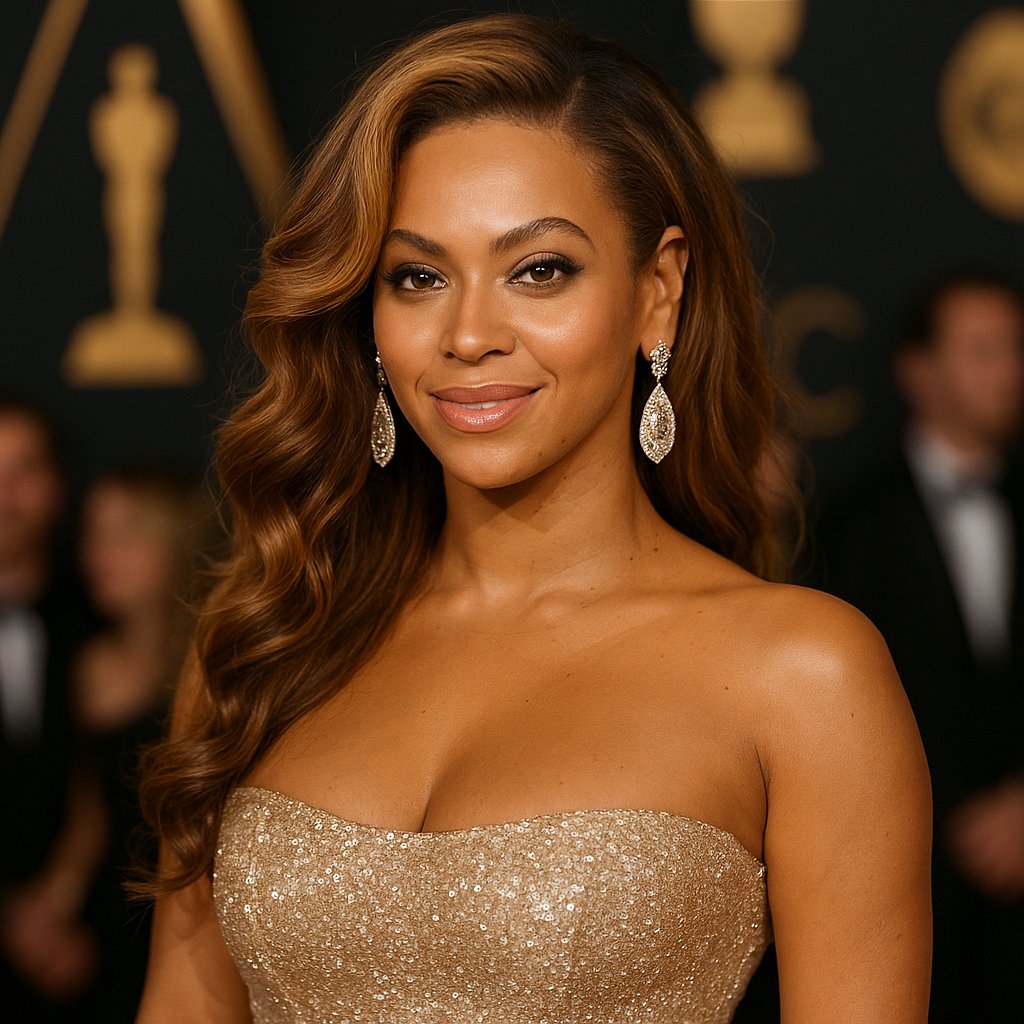
Born and raised in Texas, Beyoncé displayed early gifts for singing and dancing through local talent shows and church performances. Her family’s support helped form Girl’s Tyme, which became Destiny’s Child. The group weathered lineup shifts and label battles before exploding with tight harmonies and messages of independence on albums like their self-titled debut and The Writing’s on the Wall. Those anthems turned the trio into international stars, with Beyoncé’s voice emerging as the clear focal point and preparing her for solo command.
The journey from Houston to stadium stages wasn’t instantaneous. Destiny’s Child faced considerable industry skepticism in the late 1990s, competing against a crowded field of girl groups during an era when manufactured pop acts dominated radio. What set them apart was authenticity paired with undeniable vocal talent. Kelly Rowland and Michelle Williams complemented Beyoncé’s presence while maintaining their own identities, creating a dynamic that resonated across demographics. By the early 2000s, Destiny’s Child had secured their legacy with hits like “Say My Name,” “Survivor,” and “Bootylicious,” proving they could sustain relevance across multiple album cycles while maintaining creative control over their image and messaging.
Stepping out alone, she released a series of albums that shifted pop and R&B boundaries. Dangerously in Love brought signature tracks mixing bold attitude with emotional layers. B’Day and I Am… Sasha Fierce dug into love, identity, and female strength via fresh production and visuals. Later projects like Lemonade and Renaissance wove personal narratives with genre blends and striking imagery that ignited worldwide dialogue. Each release underscores her evolution as a writer and performer, racking up acclaim and awards while forging deep connections with audiences.
What makes Beyoncé’s discography particularly noteworthy is her willingness to take calculated creative risks. When she released Lemonade in 2016, she didn’t simply drop an album—she partnered with HBO to premiere a visual album that explored themes of infidelity, resilience, and Black female empowerment with unflinching honesty. The project sparked global conversations about relationships, forgiveness, and self-worth. Years later, Renaissance arrived as a house and dance-influenced celebration of freedom and sexuality, proving she could pivot genres without sacrificing artistic credibility. These strategic releases demonstrate that Beyoncé understands the modern media landscape and uses it to amplify her message beyond traditional music consumption.
Her live shows turn concerts into cultural spectacles. Intricate choreography, striking costumes, and unexpected appearances define the experience. The Formation Tour and Renaissance World Tour shattered attendance records while honoring heritage, filling stadiums with joy and empowerment that linger well after the lights fade. The Formation Tour in particular became a cultural touchstone, with its visuals directly addressing police brutality and celebrating Black culture in ways that sparked both celebration and controversy. These aren’t mere performances—they’re statements, events that fans describe as transformative experiences that justify their investment multiple times over.
The economics of Beyoncé’s touring empire speak volumes about her market position. Her Renaissance World Tour grossed over $500 million globally, making it one of the highest-grossing concert tours by a female artist in history. This success isn’t accidental; it reflects meticulous production planning, premium ticket pricing that the market bears, and a fanbase willing to travel internationally to witness her performances. The data demonstrates that Beyoncé has transcended the typical artist-audience relationship—she’s created an experience ecosystem where fans invest substantially because the return in cultural and emotional value justifies the expense.
Beyond performances, Beyoncé has assembled a diversified portfolio through calculated moves and creative ownership. Parkwood Entertainment handles music, film, and artist development with full autonomy. This independent label structure gives her unprecedented control over her creative output and commercial strategy. Unlike artists locked into traditional major label deals, Beyoncé negotiates from a position of strength, allowing her to retain ownership of master recordings and maintain decision-making authority on release strategies and marketing approaches.
Fashion ventures, beverage deals, and production partnerships reflect her branding precision. These efforts drive revenue while championing self-assurance and community ties. Her Ivy Park collaboration with Adidas revolutionized athlete-celebrity partnerships by centering inclusivity and celebrating diverse body types in sportswear marketing. The partnership generates hundreds of millions in annual revenue while simultaneously advancing representation in an industry historically dominated by narrow beauty standards. This dual impact—financial success paired with social advancement—characterizes Beyoncé’s business philosophy.
Owning her masters and pursuing forward-thinking opportunities positions her as a model of financial independence for other artists. In an era where artists like Taylor Swift have fought to reclaim ownership of their recorded work, Beyoncé’s autonomy stands as a blueprint for leverage and negotiating power. She’s demonstrated that artists with sufficient cultural capital can dictate terms rather than accept industry standard contracts, potentially inspiring a generational shift in how creative professionals approach intellectual property.
Her strategic business moves extend beyond entertainment into lifestyle branding, real estate investments, and production facility ownership. By diversifying revenue streams, Beyoncé insulates her wealth from the volatility of any single industry sector. This approach mirrors strategies employed by moguls across industries, yet few entertainment figures have executed it with Beyoncé’s seamlessness while maintaining artistic credibility and cultural relevance.
The impact extends to education and equality efforts. Beyoncé has established scholarship programs, supported organizations addressing racial justice and gender equity, and used her platform to amplify voices from marginalized communities. These contributions aren’t promotional gestures—they reflect a sustained commitment to structural change, with resources allocated toward long-term initiatives rather than one-time donations.
This is a story Black entertainment journalists have watched unfold for years—Beyoncé’s reach extends past charts into movements around representation, body positivity, and ownership. She merges intimate stories with broader truths, serving as a steady example of balancing family with professional drive. Her path continues to offer a blueprint for transforming talent into lasting impact that lifts communities across the board.
Looking forward, Beyoncé’s trajectory suggests continued evolution. Whether through traditional music releases, visual albums, film projects, or yet-to-be-imagined creative formats, she has demonstrated the ability to remain relevant by setting trends rather than following them. Her influence on younger artists, producers, and executives is immeasurable—she’s shown that commercial success, artistic integrity, cultural impact, and financial independence aren’t mutually exclusive but rather deeply interconnected when pursued with intentionality and vision.