
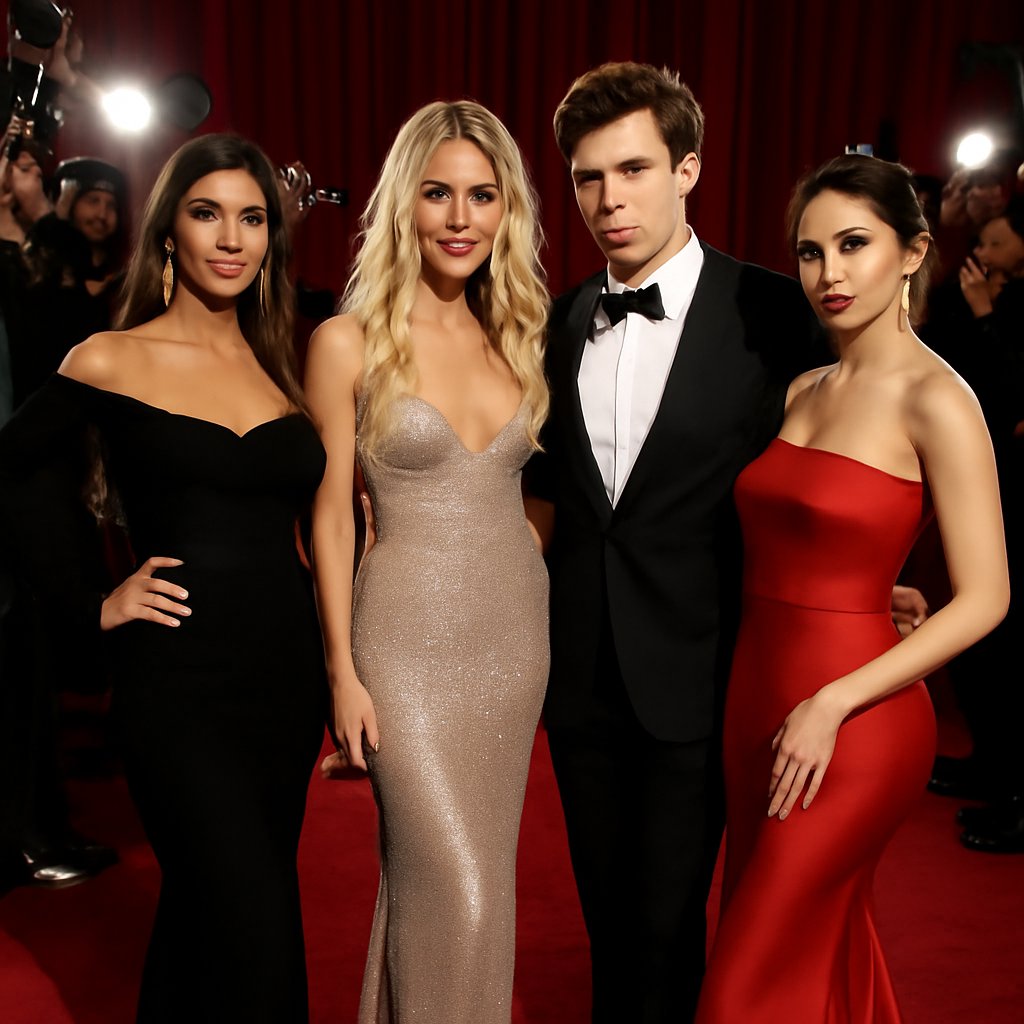
Influencers didn’t just slide into Hollywood—they rewired the whole system. What started as casual TikTok dances and Instagram Stories has turned into real leverage over blockbusters, soundtrack placements, and even casting calls. Studios and labels now treat high-follower accounts like built-in marketing machines that can move tickets and streams faster than any traditional trailer drop.
Back when Vine and early YouTube were the only games in town, creators like Logan Paul and Liza Koshy proved that viral moments could open doors that once required years of acting classes or industry connections. Their follower counts started functioning like resumes, and Hollywood execs noticed how those same audiences translated into opening-weekend numbers and playlist adds.
On social media, this moment hit different because platforms stopped being just discovery tools and became direct pipelines. Instagram and TikTok let influencers skip the audition line entirely, landing branded collabs that evolved into development deals and creative input on everything from Marvel tie-ins to major-label rollouts. The numbers behind this shift tell a clear story: over 60% of studios now budget for influencer partnerships, compared to just 15% in 2015, and nearly 25% of recent Billboard Hot 100 entries trace back to creators who already had built-in fanbases.
Bella Thorne’s jump from Disney roots to indie films and her own albums showed how personal branding could stretch across mediums, while Shawn Mendes turned YouTube covers into arena tours and soundtrack spots. These moves weren’t accidents—they were calculated plays that used platform algorithms and fan engagement to bypass old gatekeepers. Red-carpet data backs it up: digital creators at the Oscars have jumped 300% since 2018, and agencies now pull 40% of new signings straight from social feeds instead of casting calls.
The fan culture piece is what really changed the game. Influencers bring relatability that polished stars sometimes lack, which means soundtracks feel more global and casting leans more inclusive. Combined, the top creators pull in over $2 billion a year from entertainment-linked deals, proving that virality isn’t fleeting when it’s backed by actual industry access. The old lines between online fame and mainstream stardom have basically dissolved, and the next wave of projects will keep blurring them even further.
What makes this transformation even more significant is how influencers have fundamentally altered the way movies and music get marketed. Traditional studio strategies relied on theatrical trailers, press junkets, and celebrity endorsements from established A-listers. Today, a single TikTok video from a mega-influencer can generate millions of views and shape cultural conversation around a release before any official marketing campaign launches. This organic reach is invaluable—and it’s completely free from a studio’s perspective if the influencer is already invested in the project’s success. Zendaya’s rise from Disney’s “Shake It Up” to major film roles demonstrates how social media presence became as important as acting talent when studios evaluate new talent.
The streaming wars have accelerated this trend dramatically. Netflix, Amazon Prime, Disney+, and other platforms are competing for viewer attention and subscriber growth, which means they’re increasingly willing to greenlight projects built around influencer talent or featuring influencer cameos. These platforms have massive data on what audiences want to watch, and they’ve identified that younger demographics—their primary growth market—are far more likely to click on content featuring creators they follow than traditional celebrities. This data-driven approach has created a self-reinforcing cycle where influencer involvement becomes a strategic asset rather than a risky gamble.
The relationship between influencers and record labels has undergone similar disruption. A decade ago, breaking a new artist required radio play, MTV rotation, and industry gatekeepers’ approval. Now, TikTok is effectively functioning as a new form of radio. Artists like Olivia Rodrigo, The Kid LAROI, and countless others have used the platform to build massive fanbases that translated directly into chart success and record deals. Labels are now scouting TikTok for emerging talent with the same intensity they once scouted college venues and local radio stations. The algorithmic amplification on these platforms means that a creator with authentic connection to their audience can sometimes achieve in weeks what used to take years through traditional industry channels.
This shift has also forced traditional talent agencies to completely reimagine their business model. CAA, WME, UTA, and other major agencies now have dedicated digital divisions specifically focused on signing and developing influencer talent. These agencies recognized early that the future of entertainment would require understanding platform dynamics, algorithm optimization, and audience analytics—skill sets they didn’t traditionally cultivate. By acquiring this expertise and signing major creators, they’ve managed to maintain relevance while the entire entertainment landscape shifted beneath them.
The financial implications are staggering. When brands and studios calculate influencer partnership value, they’re not just looking at follower counts anymore—they’re analyzing engagement rates, audience demographics, and historical conversion data. An influencer with 500,000 highly engaged followers in the right demographic can command fees equivalent to or exceeding what major A-list actors charge for endorsements. Some top-tier creators are now negotiating backend points on films and albums they promote, meaning they profit directly from a project’s success rather than accepting a one-time payment.
However, this democratization of entertainment access hasn’t been entirely smooth. The influencer-to-actor pipeline has created some backlash within traditional acting communities, with some established actors and industry veterans expressing concern about the lack of formal training among influencer-turned-actors. Yet box office and streaming numbers suggest audiences care far more about authentic connection and relatability than classical dramatic training. Films and shows featuring influencers have proven commercially viable, which means studios will continue betting on them regardless of industry purists’ objections.
The international dimension of this shift is equally important. Influencers operate on platforms that are inherently global, which means a creator from India, Brazil, or South Korea can potentially have more influence over global entertainment trends than regional Hollywood stars. This has led to more geographically diverse casting, storylines that reflect global audiences, and a less US-centric approach to entertainment production overall. Studios now scout talent across all regions simultaneously through platform data, rather than waiting for films to succeed locally before expanding internationally.
Looking ahead, the trajectory seems clear: influencers aren’t becoming Hollywood insiders—they’ve already become them. The distinction between “online personality” and “entertainer” has essentially evaporated. Every major studio, label, and network now operates under the assumption that social media presence is a core asset, not a side benefit. The creators who adapt to this reality by diversifying their content and strategic partnerships will continue expanding their influence. Those who try to maintain influencer purity while rejecting entertainment industry involvement will find their relevance gradually diminishing as platforms themselves become more sophisticated and demanding audiences grow accustomed to seeing their favorite creators in film and music projects.
Sources
- The Hollywood Reporter – Entertainment industry news and analysis
- Variety – Entertainment trade publication covering film, TV, and digital media
- IMDb – Comprehensive entertainment database with industry insights
- People Magazine – Celebrity news and entertainment coverage
- Deadline – Entertainment industry news and breaking stories