
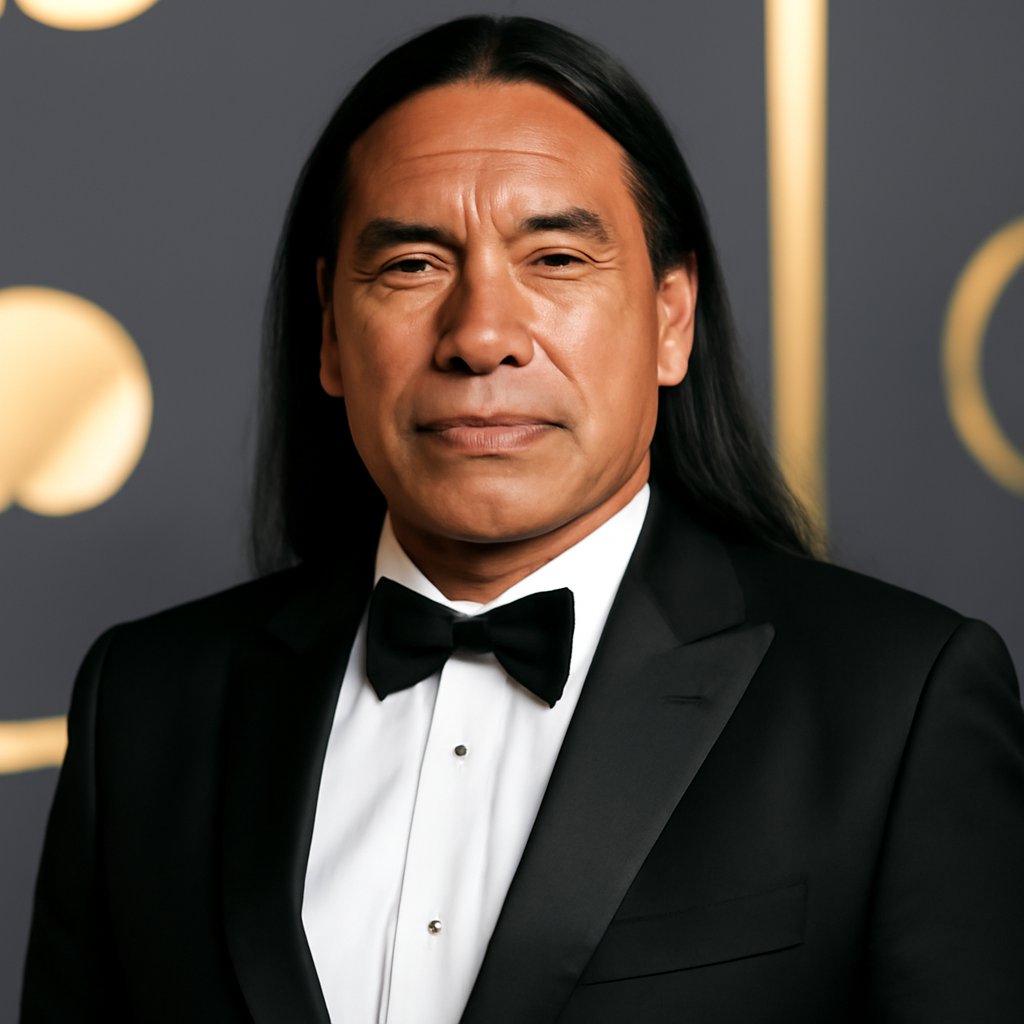
Johnny Hardwick’s turn as John Redcorn didn’t just fill a supporting slot on King of the Hill—it carved out one of animation’s most quotable presences. When the show dropped on Fox back in January 1997, created by Mike Judge and Greg Daniels, Hardwick’s silky delivery turned the Arlen, Texas massage therapist into instant water-cooler fuel. Clips of Redcorn’s deadpan one-liners still rack up millions of views on TikTok and YouTube, proving the character’s staying power long after the original 13-season run wrapped in 2010.
Hardwick, born in 1956, had already been grinding through comedy clubs and voice booths before landing the role. That timing and range made him a lock for the full stretch, including the later revival episodes. On social media, this moment hit different because fans started stitching together Redcorn’s “massage therapy” scenes with modern wellness TikToks, turning a running gag into fresh meme currency. The voice actor’s background in stand-up comedy gave him an instinctive feel for timing and comedic delivery that elevated every Redcorn appearance beyond what the scripts alone might have suggested.
The character himself—Native American entrepreneur, ladies’ man with a tangled romantic résumé—brought layers that went beyond the usual sidekick template. His business in Arlen served up endless innuendo and plot twists that kept viewers coming back. Streaming data tells the story: King of the Hill reruns and revival drops continue to spike on Hulu, with older seasons logging consistent top-10 animation chart placements whenever new clips trend. The massage therapy business became a cultural touchstone, turning what could have been a throwaway detail into one of the show’s most recognizable running jokes.
What made Hardwick’s performance particularly effective was his ability to deliver lines with perfect deadpan commitment. Unlike some animated characters that telegraphed jokes through exaggerated inflection, Redcorn’s voice remained measured and calm, which made the absurdity of his situations hit harder. Whether discussing his complicated relationship with Nancy Gribble or landing yet another innuendo-laden comment, Hardwick never broke character or overplayed the humor. This restraint proved crucial to the character’s longevity—audiences found themselves laughing at the character’s obliviousness rather than the voice acting itself.
Throughout the show’s run, John Redcorn’s character evolved considerably. Early seasons positioned him primarily as a comedic device and convenient plot mechanic—the source of various rumors and misunderstandings around Arlen. However, as the series matured, the writers began giving him more substantive storylines that explored his Native American heritage, his business struggles, and his genuine emotional vulnerabilities. Hardwick adapted his vocal delivery to match these shifts, adding nuance to scenes that required more pathos while maintaining the character’s essential comedic edge. This character development kept longtime viewers invested in Redcorn beyond the surface-level joke potential.
The revival of King of the Hill on Hulu and Adult Swim in 2024 gave Hardwick the opportunity to return to the role after fourteen years. Fans expressed genuine excitement about hearing his voice again, with many commenting that Redcorn’s tone felt instantly familiar—as if no time had passed at all. The actor’s consistency in reprising the role helped maintain the show’s continuity and authenticity in its new era. For a character who had become so emblematic of the original series’ humor, recasting was never really an option. Hardwick’s continued involvement signaled to fans that the revival would honor what made the original special.
Hardwick’s vocal work helped the series punch above its weight in cultural commentary, giving a prominent Native American perspective inside a Texas suburb setting. In the late 1990s and early 2000s, mainstream television rarely featured Native American characters in prominent roles, let alone comedic ones with agency and depth. While Redcorn functioned as humor on the surface, his character also represented a specific type of modern Native American experience—someone navigating business, family, and community within contemporary American culture. This representation, however comedic in execution, added genuine value to the show’s social landscape. Fan accounts still trade Redcorn theories and deep-cut references, keeping the character alive in group chats and Reddit threads. The revival wave only amplified that energy, letting Hardwick step back into the booth and remind everyone why the voice felt so lived-in.
The technical aspects of Hardwick’s voice work deserve recognition as well. Voice acting requires incredible precision and consistency—actors must hit exact emotional notes in a sound booth without the benefit of scene partners or visual feedback. They repeat takes endlessly, adjusting delivery milliseconds at a time to match animation timing. Hardwick’s ability to maintain Redcorn’s distinctive vocal cadence across hundreds of episodes, while also evolving the character’s emotional depth, represents significant technical skill that often goes unrecognized by casual viewers. Animation fans often cite vocal performance as equally important to writing and animation quality, and Redcorn stands as a prime example of voice acting excellence.
The character’s influence extended beyond the show itself. John Redcorn became shorthand in entertainment circles for a particular type of comedic character—the attractive man with questionable judgment, operating within a specific cultural context, who somehow remains endearing despite constant evidence of his flaws. This archetype appeared in various forms across television and film, but Redcorn’s particular execution remained distinctive. Hardwick’s voice became inseparable from the character’s identity, making any discussion of Redcorn inherently tied to appreciation for Hardwick’s performance.
Even now, the numbers behind the show’s fanbase tell a clear story—devoted rewatches, quote accounts with hundreds of thousands of followers, and a steady drip of new listeners discovering the series through algorithm pushes. Hardwick’s legacy sits right in the middle of that loop: a voice that made an animated supporting player feel like someone you could actually run into at a strip-mall business. His contribution to King of the Hill extends far beyond simple voice acting; he helped create a character that has endured for nearly three decades, continuing to generate laughs and cultural relevance across multiple generations of viewers.