
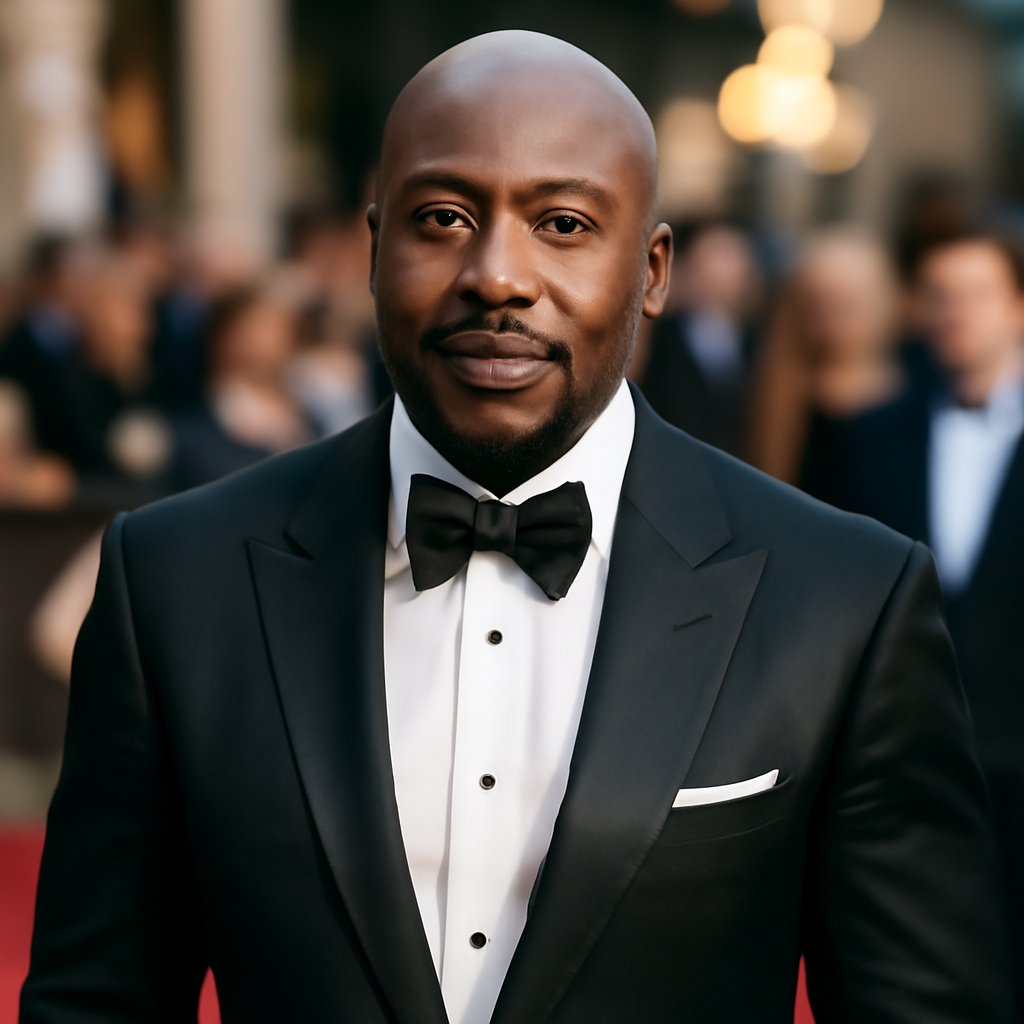
Steve Harris stepped onto screens in 1997 as Eugene Young on The Practice and instantly became the kind of TV lawyer fans quote in group chats and edit into TikTok supercuts. Born December 3, 1965, in Chicago, he brought that Midwest grit to the role of the razor-sharp associate at Donnell & Associates, turning what could have been a standard legal-drama part into appointment viewing for eight seasons.
The Practice itself ran through 2004 and racked up Emmys while setting the template for the character-driven courtroom shows that still dominate streamers today. Harris earned two Outstanding Supporting Actor nominations along the way, and clips of his intense cross-examinations keep resurfacing on Instagram Reels and YouTube, proving the performance holds up in the algorithm era. On social media, this moment hit different because legal-drama stans treat Eugene Young like a blueprint character—the ambitious Black attorney who outworked everyone in the room.
What made Harris’s portrayal so magnetic was the layering he brought to Eugene’s ambition. Rather than play the character as a one-note striver, Harris captured the internal conflict of a young lawyer desperate to prove himself while maintaining his integrity in an industry built on moral compromises. His scenes with Dylan McDermott’s Bobby Donnell crackled with tension—the senior partner watching a protégé grow into someone who might eventually eclipse him. That dynamic gave The Practice much of its emotional weight across its eight seasons, and Harris’s ability to convey both vulnerability and cutthroat determination made Eugene feel like a fully realized person rather than a supporting player. The character’s evolution from wide-eyed associate to confident senior attorney paralleled Harris’s own growth as a performer, and audiences felt that authenticity with every trial verdict and relationship crisis.
After the series wrapped, Harris kept landing guest arcs and recurring spots across network and cable, showing he could pivot from heavy drama to lighter fare without missing a beat. His post-Practice career included memorable appearances on shows like Suits, where his gravitas immediately elevated the ensemble, and various procedural guest spots that reminded viewers why he’d been nominated for Emmys. Rather than chasing leading man status on major network shows—a path that might have pigeonholed him—Harris made calculated choices that kept him relevant and respected. He appeared in projects like The Best Man and its sequel, working alongside an ensemble of accomplished Black actors and helping expand the narrative landscape for stories centered on friendship, success, and midlife reckoning.
Streaming platforms later gave new audiences a chance to discover the back catalog, and the numbers behind his fanbase tell a clear story: loyal viewers who grew up on The Practice still drive rewatches whenever the show cycles back onto Netflix or Hulu. His film work stayed selective—indies and studio supporting roles alike—but he approached each one with the same precision that made Eugene unforgettable. When The Practice began its streaming life, a whole new generation discovered Harris’s work, leading to viral moments of scenes going viral on TikTok and younger audiences seeking out his complete filmography.
Harris’s approach to character work demonstrates a philosophy that feels increasingly rare in Hollywood—the idea that supporting roles can be just as fulfilling and artistically significant as leading parts. He’s never seemed desperate for top billing or desperate to be the biggest name in the room. That restraint, ironically, is exactly what makes directors and fellow actors want to work with him. When you cast Steve Harris, you’re getting someone who understands that a scene isn’t about the actor; it’s about the story. His scene partners consistently praise his generosity and his ability to listen and respond authentically, which in turn makes everyone around him look better.
Critics have long praised the authenticity he brings, and those Emmy nods opened doors that kept him working steadily in an industry that chews through talent fast. Fan culture around The Practice still thrives in Discord servers and Reddit threads, where people debate which season delivered peak Harris. Fans will argue about whether his best work came in Season 2 or Season 5, whether a particular trial arc showcased his range, or how certain storylines could have gone further. This level of engagement is rare for shows that ended nearly two decades ago, and it speaks to the impression Harris made on viewers who felt seen and represented by Eugene Young’s journey.
Even now, casting directors tap him because he elevates whatever room he walks into, whether it’s prestige TV or a quick streaming original. His appearance in projects ranging from network dramas to indie films shows a versatility that defies easy categorization. He can be menacing, tender, ambitious, defeated, triumphant—whatever the character requires. That adaptability is one reason he’s remained employed in a business where many of his contemporaries have faded from view.
Harris has stayed low-key about his personal life, letting the work speak, which only adds to the respect he commands from both old-school viewers and Gen-Z clip-watchers discovering the show for the first time. In an era where celebrity is often defined by social media presence, Harris represents a different model—one where the work itself creates the mythology. He doesn’t need to maintain a TikTok or constantly post behind-the-scenes content. His performances are the content, and they speak louder than any carefully curated Instagram caption ever could.
The longevity of Harris’s career offers lessons for actors navigating Hollywood in the 2020s. Success doesn’t always look like being the lead of a major network show. Sometimes it looks like being the most respected actor in every room you enter, the person other professionals specifically request to work with, the actor whose name attached to a project signals quality and depth. Harris chose substance over celebrity, and in doing so, he’s built something far more durable than a momentary viral moment.
In a landscape obsessed with virality, his longevity proves that solid performances outlast trends. While other careers peak and fade, Steve Harris’s work from nearly three decades ago remains genuinely watchable, genuinely moving, and genuinely impressive. That’s the definition of a career built to last.