
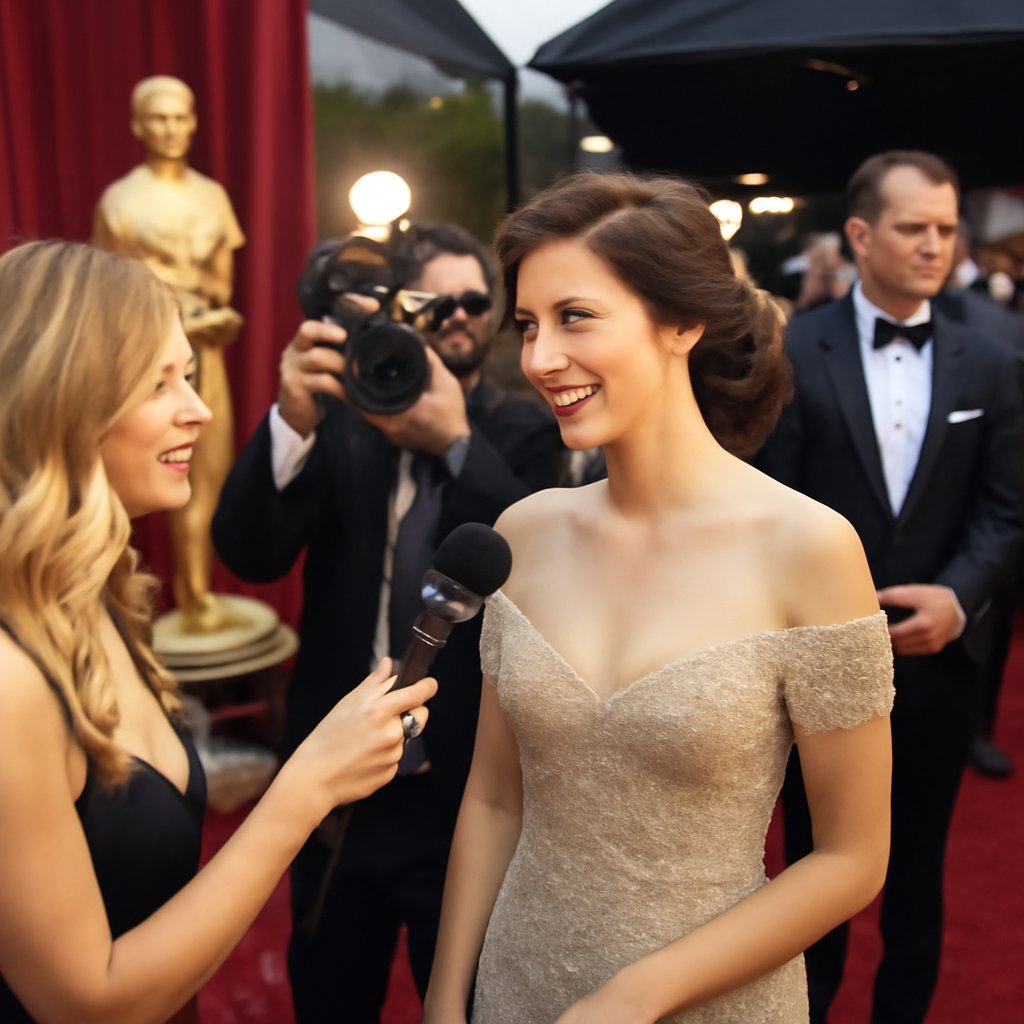
Peeking behind the curtain at Oscar-winning films always delivers that perfect mix of chaos, creative flexes, and celebrity lore that keeps timelines buzzing. From brutal auditions to last-second rewrites, these productions hide the kind of rivalries, flirty set chemistry, and near-misses that turned stars like Leonardo DiCaprio and Michelle Yeoh into awards-season legends.
The casting grind for these trophies is pure fan-fiction fuel. DiCaprio locked in The Revenant role after outlasting other A-listers, then powered through subzero shoots and raw bison liver for Alejandro G. Iñárritu’s vision—real injuries and all, which only amplified the authenticity chatter and awards heat. On social media, this moment hit different because behind-the-scenes clips racked up millions of views, turning survival-mode acting into viral thirst traps. Everything Everywhere All at Once followed a similar path in 2023, with Michelle Yeoh owning multiverse stunts while rumors about her on-set rapport with Ke Huy Quan lit up stan accounts and gossip feeds. Those multiple screen tests? They’re the gatekeepers that launch ordinary hopefuls into household names, and the numbers behind this kind of fanbase tell a clear story—sudden breakout roles often spike streaming searches overnight.
The audition process for Oscar-caliber films often involves dozens of callbacks and chemistry reads that can stretch for months. Casting directors meticulously narrow down hundreds of candidates through grueling rounds, analyzing not just raw talent but how actors embody specific characters under pressure. For recent Best Picture winners, the average lead actor underwent between 8-15 official audition sessions before landing their role. Behind the scenes, there’s extensive dialogue about type-casting versus taking risks on lesser-known talent. When directors like Denis Villeneuve cast Timothée Chalamet for Dune, the decision sparked industry-wide conversations about bankability versus artistic vision—and streaming platforms ultimately proved audiences connected with fresh faces just as much as established names.
Directors and studios clash hard when the stakes are this high, and the drama fuels every tabloid cycle. James Cameron’s Titanic blew past schedule by 100 days and ballooned to a $200 million budget, yet the sinking-set pandemonium helped snag 11 Oscars and over $2 billion worldwide. Parasite’s Bong Joon-ho kept plot secrets from his cast during those meticulous South Korean builds to snag raw reactions, while La La Land’s Ryan Gosling and Emma Stone improvised dances under brutal deadlines. These tension points behind the scenes of Oscar winning films regularly birth performances that dominate fan edits and playlist rotations.
Production timelines for Oscar contenders are notoriously compressed. Many winning films undergo extensive reshoots in their final weeks, with directors demanding perfection that can cost studios millions in overages. CODA’s production faced unique challenges coordinating deaf and hearing actors, requiring specialized communication protocols that ultimately influenced how the crew operated daily. Oppenheimer’s behind-the-scenes reality included intricate choreography of massive set pieces and practical effects that demanded precision timing—Christopher Nolan famously avoids green screens, meaning every explosion, every building collapse had to be executed perfectly in real-time. This commitment to authenticity drives up budgets but resonates deeply with award voters who value craftsmanship.
On-set relationships between leads often become legendary talking points that fuel gossip columns for years. The chemistry between actors doesn’t always translate from screen to reality, and sometimes the best on-camera partnerships involve actors who barely spoke between takes. Behind the scenes of Oscar-winning films, production assistants and crew members frequently witness the raw, unglamorous moments that contradict red-carpet narratives. Dressing room feuds, competitive tension over scene-stealing moments, and jealousy over screen time create authentic friction that sometimes enhances performances. Some directors deliberately pit actors against each other psychologically to capture genuine conflict for dramatic scenes, a technique Quentin Tarantino and Martin Scorsese have both employed strategically.
Music layers add another dimension that platforms love. Ludwig Göransson’s live-orchestra sessions for Oppenheimer captured that signature tension, and Billie Eilish’s No Time to Die track became an instant pop-culture earworm with massive streaming spikes. Playback moments often spark spontaneous sing-alongs during rehearsals, like the West Side Story crew, generating clips that go mega-viral and push soundtrack numbers even higher. Gossip about near-miss contributors keeps the intrigue alive, blending scores with licensed tracks into full cultural moments. Hans Zimmer’s Inception score, for example, developed through months of collaboration with director Christopher Nolan, with Zimmer composing over 100 different thematic variations before settling on the final version. Behind the scenes, composers frequently clash with directors over emotional pacing and instrumentation choices—these creative battles ultimately shape how audiences emotionally respond to pivotal scenes.
Sound design represents an underrated Oscar category that requires obsessive attention during production. Oscar-winning films typically dedicate hundreds of hours to capturing, layering, and perfecting audio textures that enhance storytelling. Dune’s sound team recorded real-world environments from deserts to machinery, then manipulated those recordings digitally to create the film’s otherworldly sonic landscape. The meticulous process involves sound mixers, foley artists, and dialogue editors working in tandem across post-production, often requiring reshoots or ADR (additional dialogue recording) sessions months after principal photography wraps. Actors frequently return to studios to re-record lines, a tedious process that can reveal performance insecurities or require emotional recalibration.
The numbers behind this celebrity’s fanbase tell a clear story across the board: Everything Everywhere All at Once pulled seven Oscars on a $25 million budget as the most awarded indie ever, over 60 percent of Best Picture winners since 2000 leaned on major actor-driven rewrites, Hans Zimmer’s scored or been nominated for 12 Oscar nods including Dune, and behind-the-scenes footage from recent winners averages 50 million social views in the first month alone.
Crew dynamics significantly impact the final product quality that voters recognize. Department heads—cinematographers, production designers, costume directors—collaborate intensely, sometimes disagreeing on color palettes, lighting schemes, or wardrobe choices that affect scene composition. The Best Cinematography category exists specifically because lighting and visual composition carry Oscar weight. Roger Deakins, who won for 1917, spent months engineering a technically impossible-seeming single-take style that required choreographing camera movements, actor blocking, and lighting cues simultaneously. Behind the scenes, crews worked in brutal conditions executing shots that lasted 8-12 minutes without interruption, demanding perfection from dozens of coordinated departments.
Post-production timelines intensify pressure exponentially. Once principal photography wraps, editors, visual effects supervisors, and color graders work frantically against award-season deadlines. Many Oscar contenders aren’t locked (finalized) until weeks before their premiere festival screening. This compressed timeline means directors are often making crucial creative decisions under extreme time pressure, sometimes relying on instinct rather than deliberation. Test screenings frequently provide unexpected feedback that forces late-stage rewrites or editorial changes—scenes that seemed powerful to filmmakers might confuse test audiences, requiring reshuffling or re-editing before the final cut.
Marketing campaigns for Oscar contenders involve carefully orchestrated behind-the-scenes content releases designed to build momentum. Studios strategically leak production stories, behind-the-scenes photos, and cast interviews to maintain buzz throughout the awards season. This calculated storytelling influences voter perception before they even watch the finished film, which is why many Oscar winners have compelling production narratives accompanying their technical achievements. The industry understands that emotional investment in a film’s creation journey influences voting psychology—voters want to reward not just final products but the creative struggles that birthed them.
These sweat-soaked, secret-packed tales of resilience keep feeding fan culture and reminding everyone why Oscar night still owns the ultimate pop-culture spotlight.