
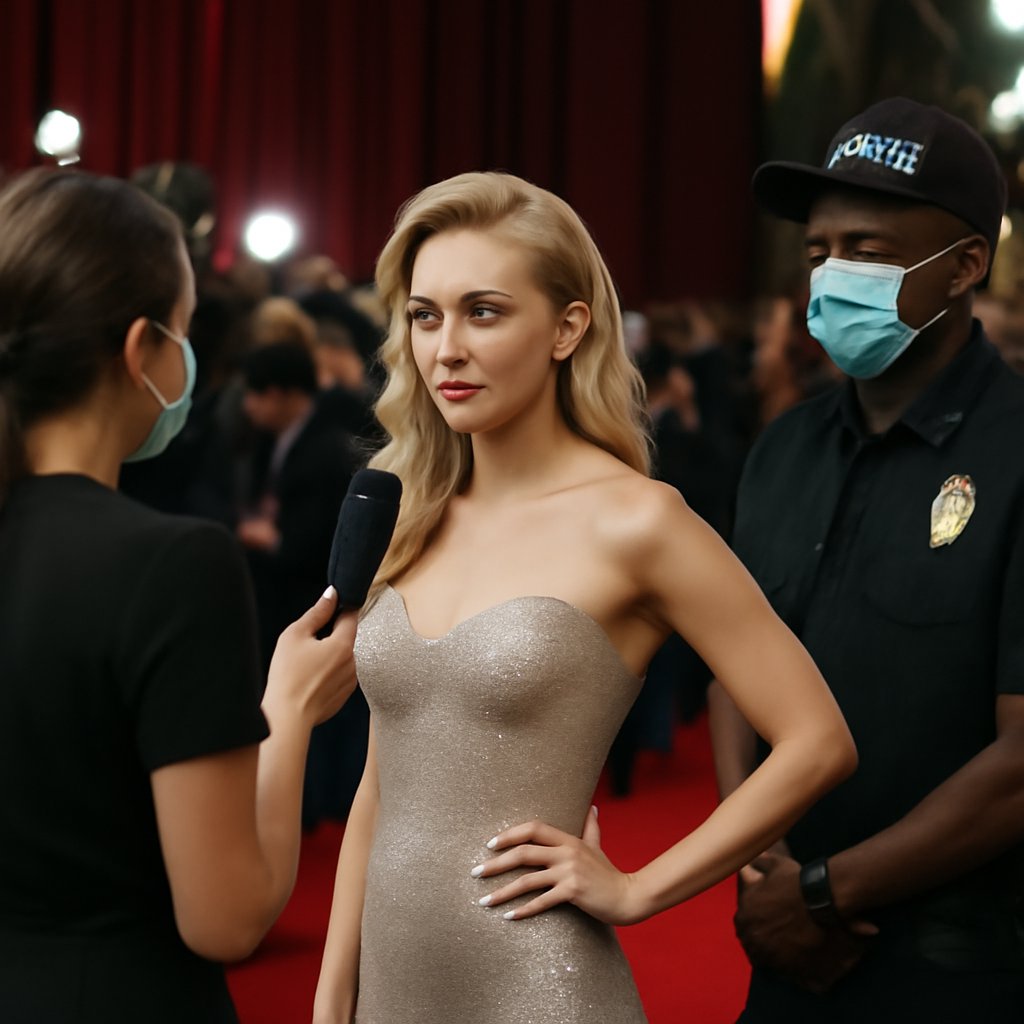
Covering Hollywood for over a decade, you learn quickly that on-set safety protocols aren’t just industry checkboxes—they’re the invisible armor protecting everyone from A-listers like Tom Cruise down to the crew hustling behind the scenes on multimillion-dollar productions. In an era where red carpet glamour meets high-stakes filming, studios have poured resources into guidelines that marry old-school union muscle with fresh innovations, all while fans and media watch closely.
This is a story Black entertainment journalists have watched unfold for years, especially as power dynamics shift and emerging talents demand accountability alongside established names. Hollywood’s safety playbook has come a long way from the breakneck pace of early productions that often sidelined security for speed, resulting in too many injuries during those silent-era stunts. These days, major players follow rigorous standards backed by groups like SAG-AFTRA and the Directors Guild of America, starting with detailed risk assessments for everything from pyrotechnics to water work.
Key turning points came after incidents like the 2021 Rust shooting with Alec Baldwin, which tightened firearm rules across the board. Productions now mandate certified armorers and lean on digital stand-ins for risky props whenever feasible, with voices like Dwayne Johnson using their leverage to push reforms that ripple through pop culture. The pandemic only sped things up, layering in daily testing and PPE that turned sets into tightly managed zones and laid groundwork for handling future health crises on music videos and features alike.
Today’s sets lean hard on technology to cut risks, from drones and motion-capture that let performers focus on the craft while virtual effects handle the danger, to wearable sensors that flag vital sign issues in real time—tools that have kept talents like Zendaya steady through demanding shoots. Stunt coordinators earn rigorous certifications and team up with safety officers for precise choreography, while daily briefings cover exits and gear so the whole team stays sharp. Environmental touches like climate-controlled stages and cleaner makeup options add long-term protection, benefiting artists crossing over like Lady Gaga in her film work.
High-profile actors often turn their own close calls into momentum for change, with Harrison Ford highlighting near-misses that led to smarter scheduling against fatigue. Unions negotiate hard for dedicated safety budgets and oversight, aligning international productions with these benchmarks whether they’re shooting on Los Angeles soundstages or far-flung franchise locations. Emergency teams with top medical support, plus mental health resources, round out the approach, showing real commitment to sustaining careers amid nonstop cycles.
The specifics of modern safety protocols reveal just how comprehensive the industry’s approach has become. Before cameras even roll, productions conduct thorough hazard analyses that identify potential risks in every scene. Safety departments create detailed action plans for stunts, which are then reviewed by multiple stakeholders including insurance representatives, union safety delegates, and the performers themselves. This collaborative vetting process ensures that no one—from lead actors to extras—faces unexpected dangers. Insurance companies have also become powerful advocates for safety, since they underwrite productions and understand that preventing accidents saves money and protects their investments.
Stunt performers deserve particular recognition in this safety evolution. These highly trained professionals spend years perfecting their craft, but they’re among the first to recognize when protocols need tightening. Many stunt coordinators now work closely with athletes and former military personnel who bring cross-disciplinary expertise to the table. Organizations like the Stuntmen’s Association have established mentorship programs ensuring that newcomers learn safety fundamentals before ever attempting risky work. This pipeline approach has significantly reduced injuries among the stunt community, creating a culture where speaking up about unsafe conditions isn’t frowned upon—it’s expected and valued.
Mental health components of on-set safety have also expanded considerably. Productions now frequently employ on-site counselors, particularly for actors working through emotionally demanding material or scenes involving simulated violence or trauma. The recognition that psychological safety matters as much as physical safety represents a seismic shift in industry thinking. Studios understand that when performers feel supported emotionally, they’re better able to focus on their craft and less likely to take unnecessary risks out of desperation to prove themselves. This has been especially important for emerging actors of color who may feel pressure to accept unsafe conditions to secure career-advancing roles.
International co-productions add another layer of complexity to safety protocols. When Hollywood studios film abroad—whether in Canada, the United Kingdom, or developing nations—they often must navigate different labor laws and safety standards. Progressive studios have established policies ensuring that international crews receive the same protections and training as their U.S. counterparts, even when local regulations might permit lower standards. This commitment reflects both ethical responsibility and practical necessity, as insurance policies typically mandate compliance with the highest applicable standards regardless of location.
Technology continues reshaping how sets approach safety in real-time monitoring. Advanced weather tracking systems help productions schedule outdoor shoots more safely, while real-time communication platforms keep entire crews connected so that safety information spreads instantly. Some productions have implemented AI-powered systems that analyze video feeds to identify potential hazards—a crew member in the wrong area, equipment not properly secured, or emergency exits being blocked. While such surveillance raises privacy questions, many in the industry see it as a worthwhile trade-off for accident prevention.
The financial reality underlying safety investments shouldn’t be overlooked either. Production shutdowns due to injuries cost studios millions, far exceeding the price of robust safety programs. A major star sidelined by an accident can derail filming schedules and create cascading costs throughout a production. This economic incentive aligns perfectly with moral imperatives, making safety upgrades attractive to even the most budget-conscious producers. Insurance premium reductions for studios with strong safety records provide additional motivation for continuous improvement.
Over 85% of major studio productions now employ certified safety coordinators as standard practice. Stunt-related injuries have declined by approximately 40% since 2015 due to enhanced protocols. Post-pandemic sets report 95% compliance with daily health screenings across Hollywood projects. Celebrity-endorsed safety initiatives have influenced more than 200 independent films annually. Digital stunt replacements save an average of $2 million per action blockbuster while reducing risks. Union-mandated training hours for crew members exceed 50 annually in top-tier productions.
Looking ahead, industry insiders predict continued evolution toward even more sophisticated safety measures. Virtual reality training for stunt performers shows promise, allowing them to practice dangerous sequences in controlled environments before attempting them physically. Augmented reality tools could guide performers through complex choreography with real-time visual cues. As these technologies mature and costs decrease, they’ll likely become standard across productions of all sizes, eventually reaching independent filmmakers and streaming platforms currently operating with fewer resources.
Ultimately, these layered measures reflect Hollywood’s focus on safeguarding its people while delivering the stories that define pop culture. As tech evolves and star advocacy grows louder, the protocols keep adapting, setting a model that blends spectacle with care for every participant—from red carpet icons to the next wave of Black excellence carving space in the industry. The question isn’t whether safety will continue improving, but how quickly the industry can implement emerging solutions while maintaining the creativity and ambition that makes cinema possible.